Writing
Writing
Writing about clinical reasoning, AI, simulation, virtual reality and the practical work of teaching physiotherapy. Explore connected themes, start with a guiding question, or browse the complete archive.
Start here: four pieces to read
A short route through how I teach with technology, design assessments and support reflection.
- Inside a Cell: Teaching Human Physiology with VR
Start with a practical example: a virtual cell becomes a shared task.
- Enough About Catching AI: A Practical Guide to Using It for Learning
Consider what students should still do for themselves when AI is available.
- Why I Allowed AI but Added a Randomised Group Viva in Movement Science
See how a group viva made individual reasoning visible in an AI-supported assessment.
- After the Debrief: Using AI to Keep Simulation Learning Alive
Finish with a way to carry a simulation debrief into the next learning activity.
Latest writing
New ideas and reflections
The newest work, followed by recent essays from across the public notebook.

If AI Can Do It for Us, What Do Students Still Need to Learn?
What should remain with the learner after AI or VR is removed? A reflection on cognitive offloading, foundational knowledge, and assessing independent performance.
Read articleRecent writing
Connected writing
Explore by collection
Choose a starting point, then explore the articles behind each theme.
AI, Learning & Assessment
How AI changes learning, assessment and the responsibility to think for ourselves.
Start hereEnough About Catching AI: A Practical Guide to Using It for Learning
All 27 articles in this collection
- If AI Can Do It for Us, What Do Students Still Need to Learn? · ESSAY
- The AI Learning Paradox: Why I Still Write Things Down · ESSAY
- I Built an AI Tracking Prototype. I Have No IT Background. · PROJECT UPDATE
- After the Debrief: Using AI to Keep Simulation Learning Alive · PRACTICE NOTE
- From AI Principles to Everyday Physiotherapy: Reflections from Taipei · ESSAY
- Why I Allowed AI but Added a Randomised Group Viva in Movement Science · TEACHING DESIGN
- Enough About Catching AI: A Practical Guide to Using It for Learning · GUIDE
- Should We Assess Students With AI — or Without It? · ESSAY
- Beyond the Right Answer: Why We Should Ask Students to Explain · ESSAY
- When AI Can Read but Cannot Act: Why a Limitation May Be a Safeguard · ESSAY
- AI Integration Needs a Theory of Learning · ESSAY
- Should I Use AI for This? From Personal Choice to Health CARE‑AI · GUIDE
- The Next AI Problem Is AI Authenticity Fatigue · ESSAY
- Lecturers Need AI Literacy, Not a Computer Science Degree · ESSAY
- Do Not Start with AI: Start with the Curriculum · ESSAY
- When Assessment Invites AI but Does Not Assess AI · TEACHING DESIGN
- Beyond IQ: What Quotients Do Students Need in the AI Era? · ESSAY
- Do Not Ask AI for the Answer First · ESSAY
- Using ChatGPT Is Not the Same as AI Literacy · ESSAY
- AI Can Draft Exam Questions, But It Cannot Validate Them · ESSAY
- When AI Makes Academia Faster, Who Gets the Time Back? · ESSAY
- Productive Struggle in the Age of AI · ESSAY
- AI Policy Is Not Enough: Students Also Need Help Resisting the Pressure to Misuse AI · ESSAY
- AI Should Be a Thinking Partner, Not a Clinical Shortcut · ESSAY
- Thinking with AI, Not Just About AI · ESSAY
- Beyond the Chatbot: Using OpenClaw to Reclaim My Academic Life · PROJECT UPDATE
- Reflections on a Teaching and Learning Conference · ESSAY
Clinical Reasoning & Practice Readiness
Making reasoning visible and connecting classroom learning with the uncertainty of practice.
Start hereBeyond the Right Answer: Why We Should Ask Students to Explain
All 15 articles in this collection
- Beyond IQ: What Actor Training Taught Me About Emotional Intelligence and Clinical Readiness · ESSAY
- After the Debrief: Using AI to Keep Simulation Learning Alive · PRACTICE NOTE
- Why I Allowed AI but Added a Randomised Group Viva in Movement Science · TEACHING DESIGN
- Can You Hear the Song? The Curse of Knowledge in Teaching · ESSAY
- What Group Work Makes Visible Before Assessment · PRACTICE NOTE
- Beyond a Score: What Content-Mastery Quizzes Make Visible · PRACTICE NOTE
- A Simulation Room Is Only the Beginning · PRACTICE NOTE
- The Clinical Education Triangle: Students, Clinical Educators and Visiting Lecturers · PRACTICE NOTE
- Practising What We Teach: Staying Connected to Clinical Practice · PRACTICE NOTE
- Beyond the Right Answer: Why We Should Ask Students to Explain · ESSAY
- From Classroom to Clinic: What Is Healthcare's Equivalent of TRAIN? · ESSAY
- The Clinician Is Not the Only Learner: What Role Rotation Might Add to Simulation · PROJECT UPDATE
- When Assessment Invites AI but Does Not Assess AI · TEACHING DESIGN
- Do Not Ask AI for the Answer First · ESSAY
- AI Should Be a Thinking Partner, Not a Clinical Shortcut · ESSAY
VR, Simulation & Educational Technology
Designing purposeful learning around immersion, simulation and the practical demands of technology.
Start hereA VR Demonstration Is Not Yet a Learning Experience
All 13 articles in this collection
- If AI Can Do It for Us, What Do Students Still Need to Learn? · ESSAY
- Inside a Cell: Teaching Human Physiology with VR · PRACTICE NOTE
- Beyond IQ: What Actor Training Taught Me About Emotional Intelligence and Clinical Readiness · ESSAY
- After the Debrief: Using AI to Keep Simulation Learning Alive · PRACTICE NOTE
- A Simulation Room Is Only the Beginning · PRACTICE NOTE
- A VR Demonstration Is Not Yet a Learning Experience · PRACTICE NOTE
- Why Universities Are Attracted to VR, and Why Novelty Is Not Enough · PRACTICE NOTE
- From Classroom to Clinic: What Is Healthcare's Equivalent of TRAIN? · ESSAY
- The Clinician Is Not the Only Learner: What Role Rotation Might Add to Simulation · PROJECT UPDATE
- Navigating Virtual Reality: Comparing HTC VIVE, Meta Quest 2, Quest 3 and Quest Pro · GUIDE
- Embracing Wireless VR: A Guide to Setting Up a Meta VR Headset · GUIDE
- Setting Up VR: Reflections on the Experience · ESSAY
- Exploring 3D Organon in Virtual Reality · ESSAY
Life as an Educator
Reflections on teaching, colleagues, academic life and continuing to learn.
Start hereWhen Teaching Becomes Boring: Do Educators Need Novelty Too?
All 24 articles in this collection
- Inside a Cell: Teaching Human Physiology with VR · PRACTICE NOTE
- Beyond IQ: What Actor Training Taught Me About Emotional Intelligence and Clinical Readiness · ESSAY
- The AI Learning Paradox: Why I Still Write Things Down · ESSAY
- I Built an AI Tracking Prototype. I Have No IT Background. · PROJECT UPDATE
- From AI Principles to Everyday Physiotherapy: Reflections from Taipei · ESSAY
- When Teaching Becomes Boring: Do Educators Need Novelty Too? · ESSAY
- A Conference Should Change What Happens on Monday · ESSAY
- What a Guest Lecturer Adds That a Slide Cannot · PRACTICE NOTE
- The Clinical Education Triangle: Students, Clinical Educators and Visiting Lecturers · PRACTICE NOTE
- Practising What We Teach: Staying Connected to Clinical Practice · PRACTICE NOTE
- When AI Can Read but Cannot Act: Why a Limitation May Be a Safeguard · ESSAY
- The Next AI Problem Is AI Authenticity Fatigue · ESSAY
- Waiting for Results: Reflections on Speaking to Hong Kong’s Future Physiotherapy Students · ESSAY
- Two Years in Hong Kong: Reflecting on Teaching, Innovation, and Receiving a Teaching Excellence Award · ESSAY
- When AI Makes Academia Faster, Who Gets the Time Back? · ESSAY
- Thinking with AI, Not Just About AI · ESSAY
- Beyond the Chatbot: Using OpenClaw to Reclaim My Academic Life · PROJECT UPDATE
- Reflections on a Teaching and Learning Conference · ESSAY
- A Tale of Two Graduations: From South Africa to Hong Kong · ESSAY
- The Weight of Decision: My Experience as a University Admissions Interviewer · ESSAY
- Supporting Students with Special Educational Needs: A Guide for Lecturers · GUIDE
- Responding to Student Mental Health Crises During Examinations · GUIDE
- What Do You Need to Succeed? · ESSAY
- The Road to a PhD · ESSAY
Practice Notes
8 articles
Short, photograph-led reflections on clinical education, teaching encounters, and what I am learning from practice.
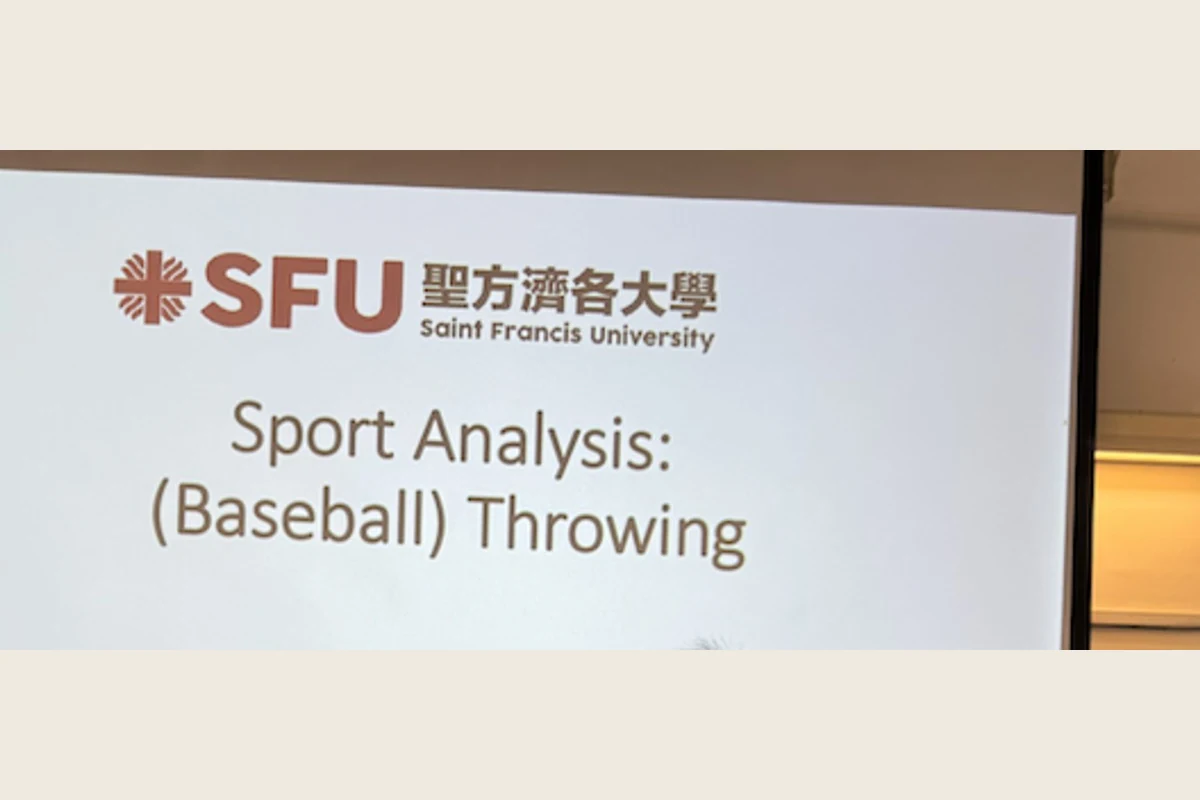
What a Guest Lecturer Adds That a Slide Cannot
Guest expertise becomes educational when it is connected to curriculum outcomes, active student participation and purposeful follow-up.
Read article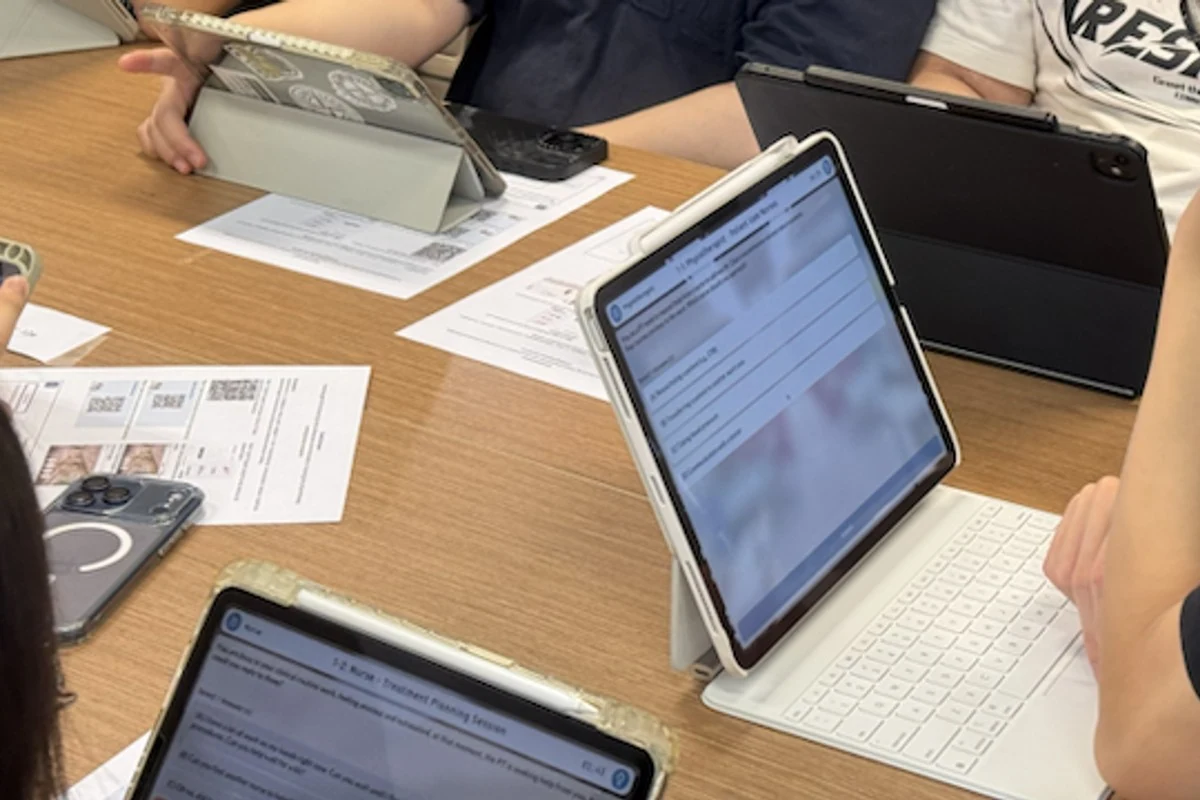
What Group Work Makes Visible Before Assessment
Group activity can reveal developing reasoning, participation patterns and misconceptions before formal assessment makes them difficult to address.
Read article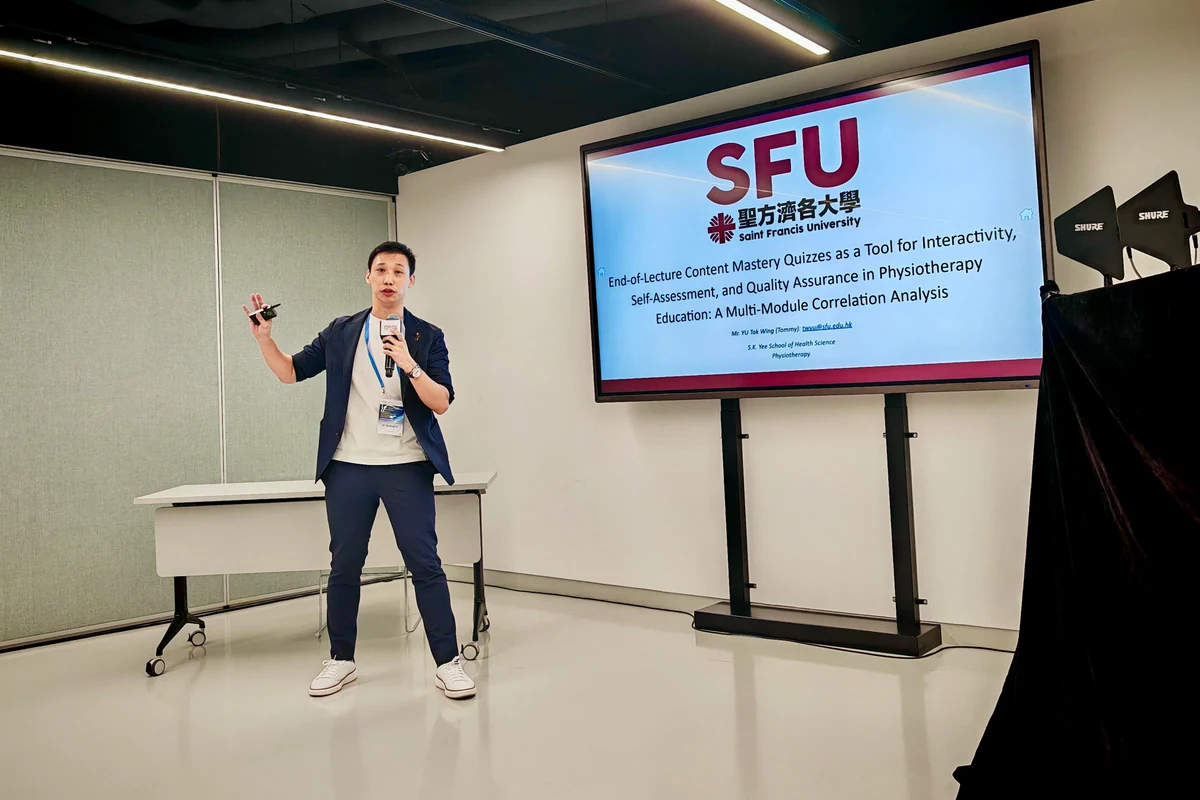
Beyond a Score: What Content-Mastery Quizzes Make Visible
Content-mastery quizzes can reveal useful patterns in learning and teaching, but a score is evidence to interpret rather than proof of clinical competence.
Read article
A Simulation Room Is Only the Beginning
Realistic facilities create possibilities, but simulation becomes educational through purposeful outcomes, participation, facilitation and debriefing.
Read article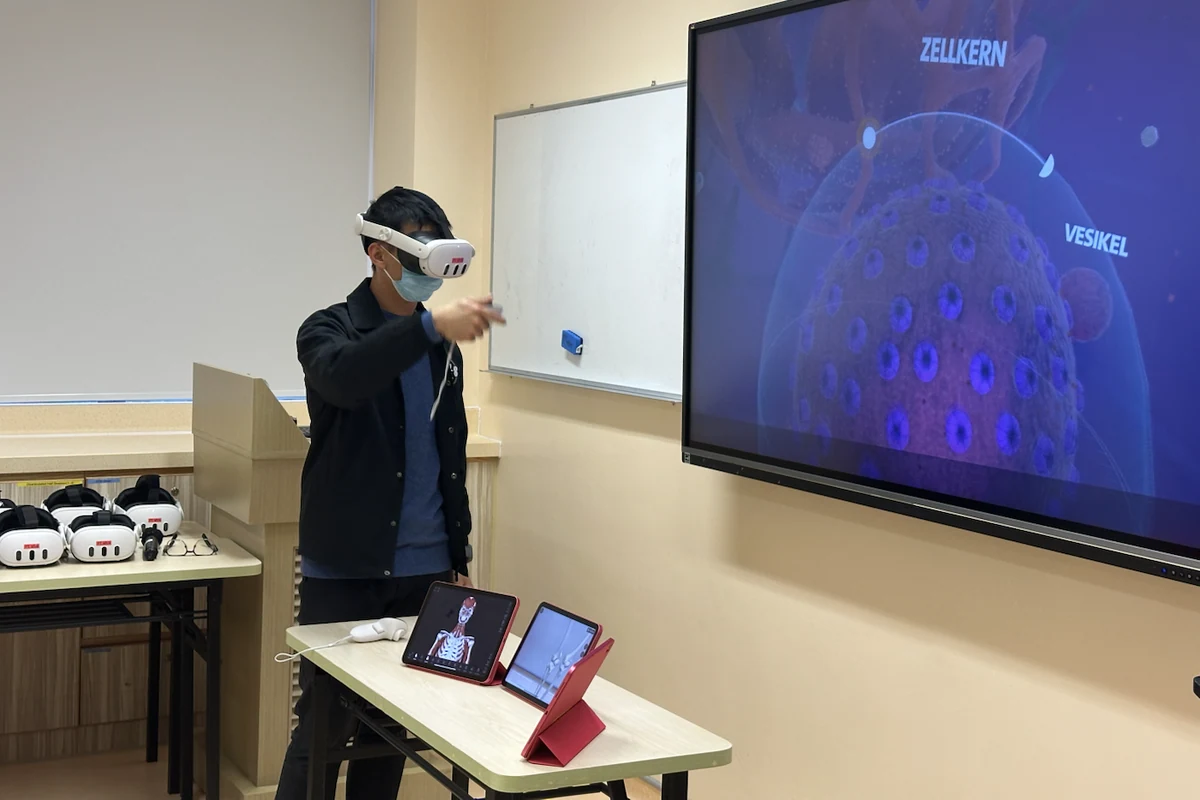
A VR Demonstration Is Not Yet a Learning Experience
A headset demonstration can attract attention, but purposeful learning requires a clear problem, active participation, reflection and aligned evidence.
Read article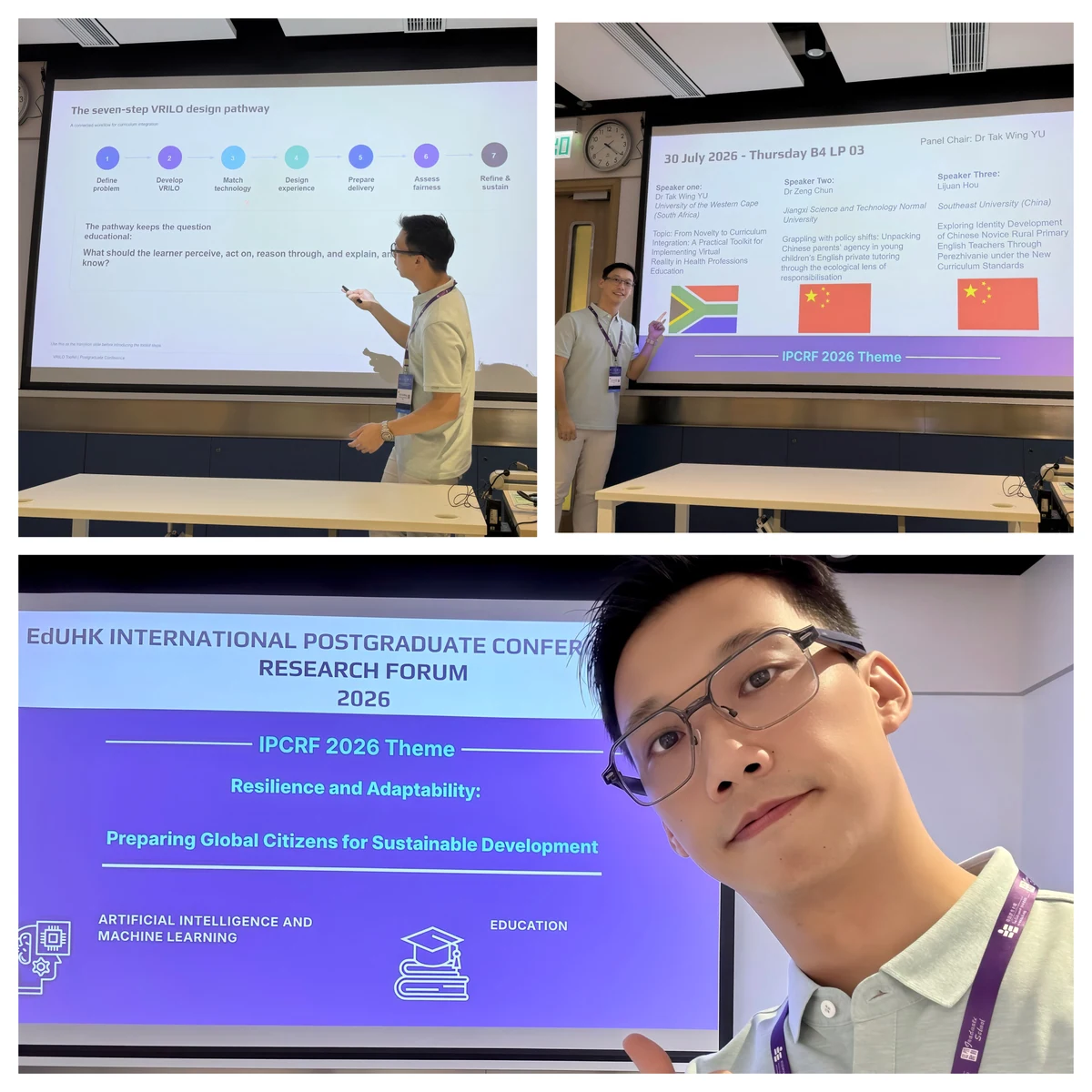
Why Universities Are Attracted to VR, and Why Novelty Is Not Enough
Virtual reality attracts attention through immersion, visualisation and novelty, but meaningful adoption begins with a learning problem and a sustainable implementation plan.
Read article
The Clinical Education Triangle: Students, Clinical Educators and Visiting Lecturers
A placement visit prompted me to reflect on how students, clinical educators and visiting lecturers can turn three partial perspectives into a useful feedback loop.
Read article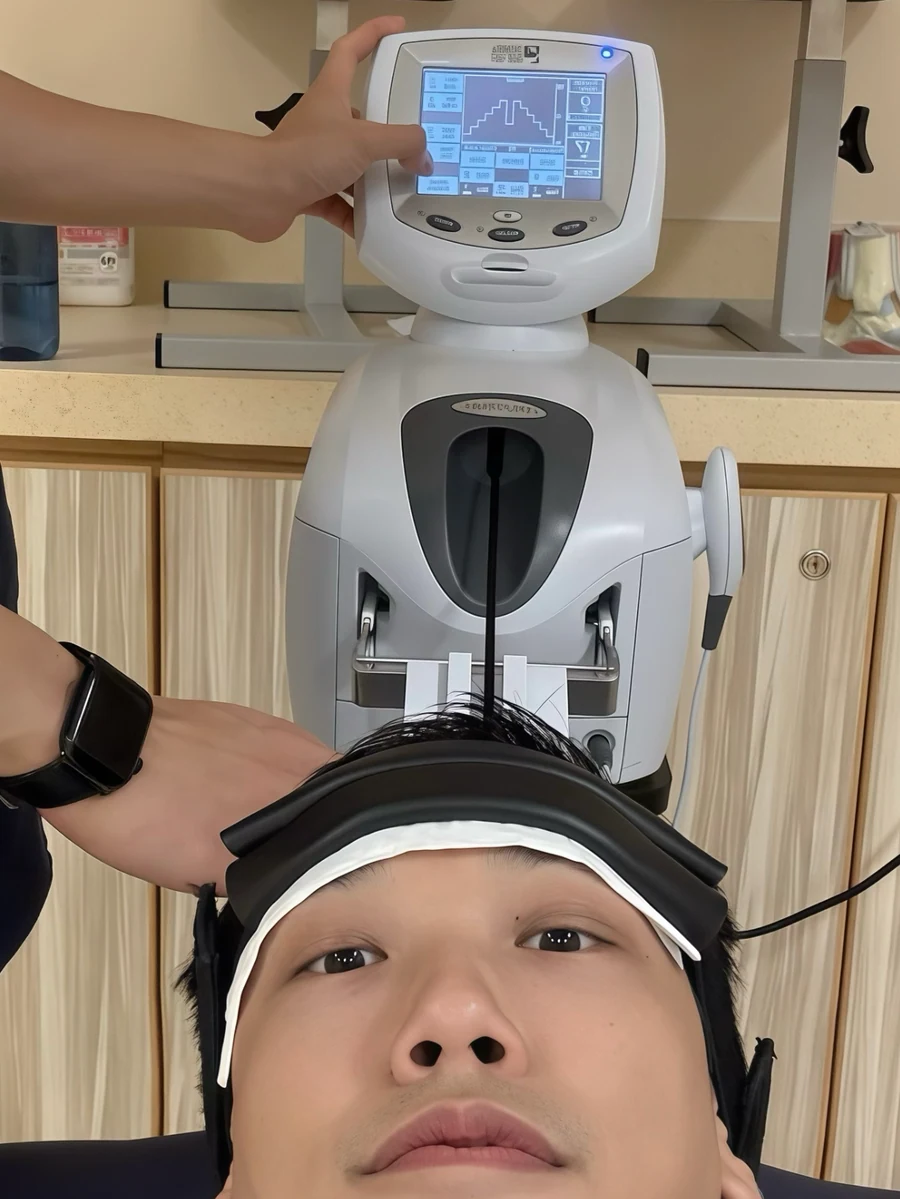
Practising What We Teach: Staying Connected to Clinical Practice
Experiencing a cervical traction setup from the other side of the treatment table reminded me why educators should remain curious, clinically connected and attentive to the learner and patient experience.
Read articleComplete collection
Browse by subject
Every article appears once below, organised by its main subject.
Physio
21 articles
Posts on physiotherapy education, clinical reasoning, virtual reality, student support, and health professions teaching.
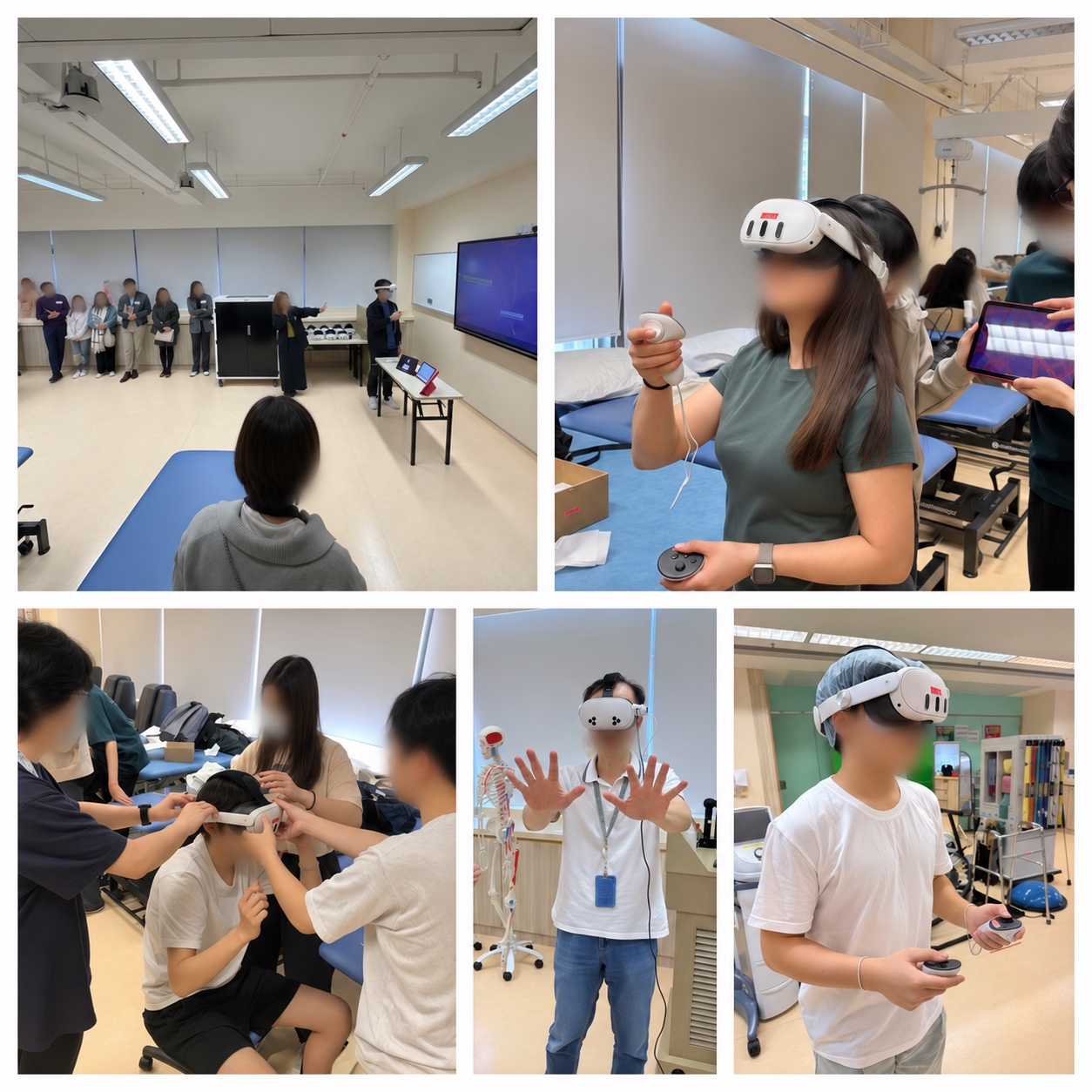 Inside a Cell: Teaching Human Physiology with VR
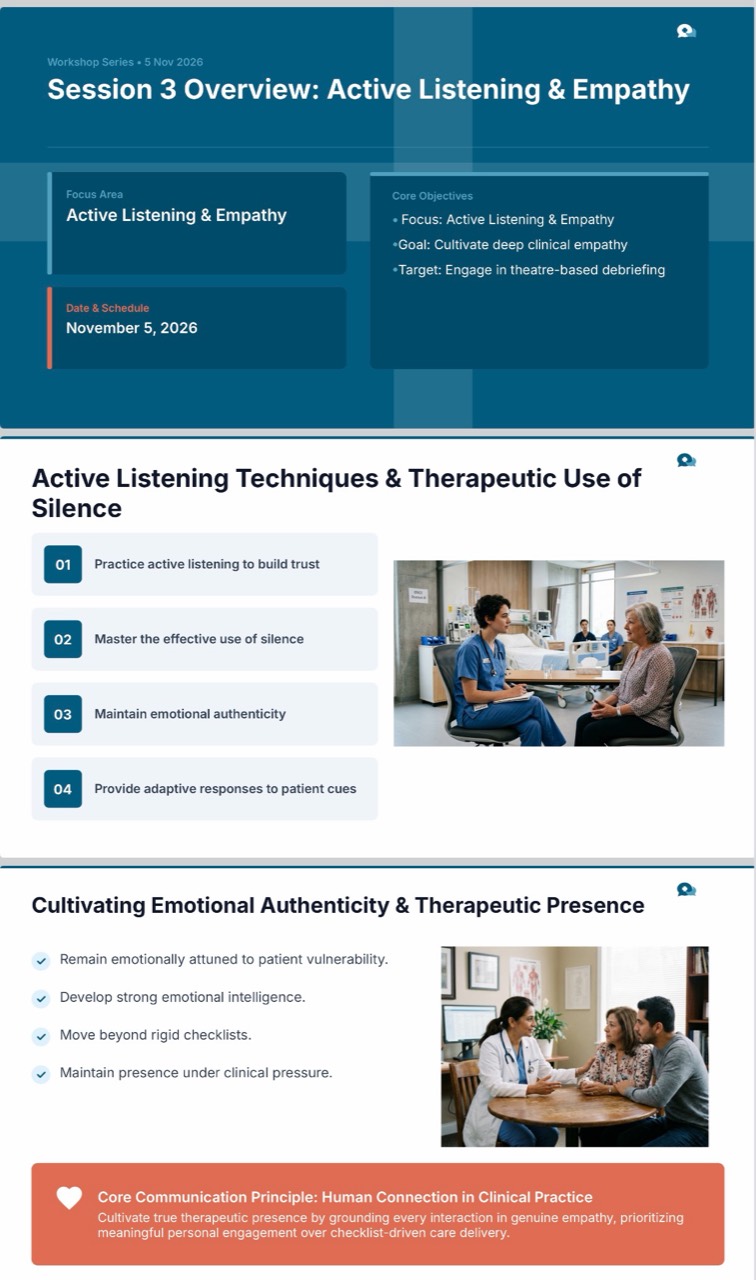 Beyond IQ: What Actor Training Taught Me About Emotional Intelligence and Clinical Readiness
 Can You Hear the Song? The Curse of Knowledge in Teaching
What a Guest Lecturer Adds That a Slide Cannot
What Group Work Makes Visible Before Assessment
Beyond a Score: What Content-Mastery Quizzes Make Visible
A Simulation Room Is Only the Beginning
A VR Demonstration Is Not Yet a Learning Experience
Why Universities Are Attracted to VR, and Why Novelty Is Not Enough
The Clinical Education Triangle: Students, Clinical Educators and Visiting Lecturers
Practising What We Teach: Staying Connected to Clinical Practice
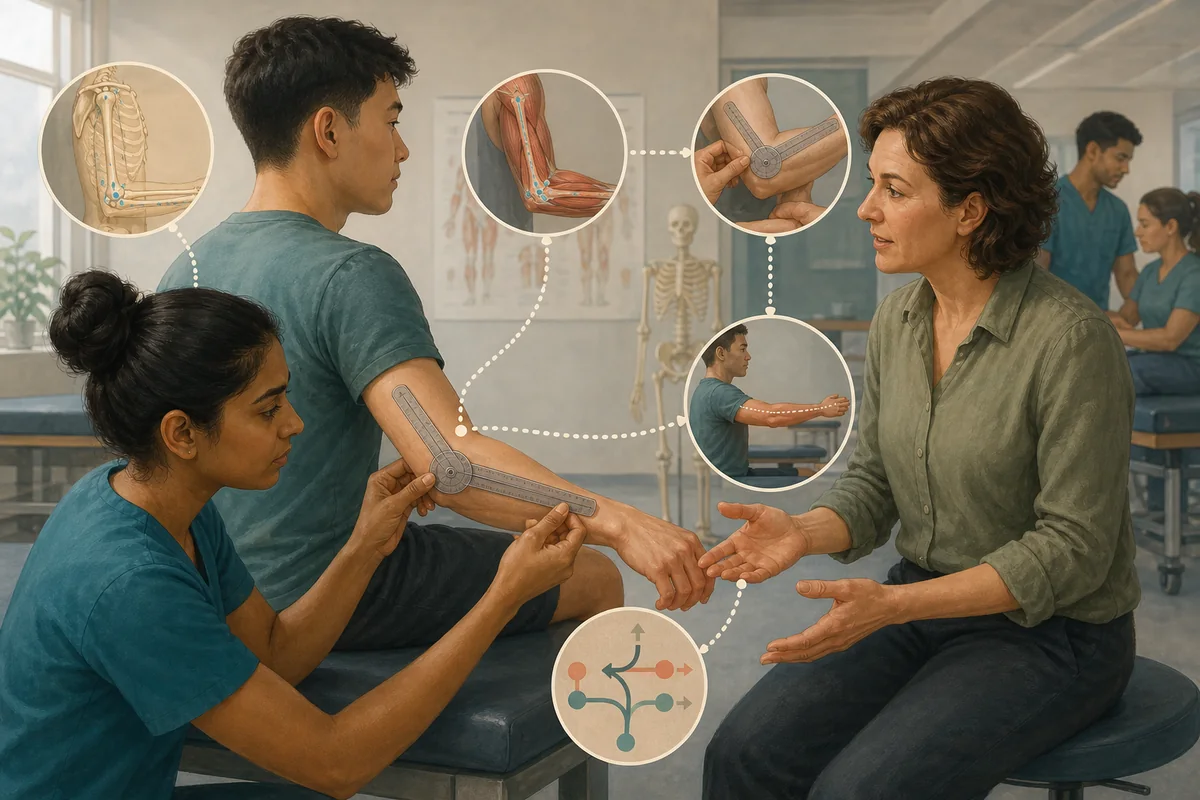 Beyond the Right Answer: Why We Should Ask Students to Explain
 From Classroom to Clinic: What Is Healthcare's Equivalent of TRAIN?
 The Clinician Is Not the Only Learner: What Role Rotation Might Add to Simulation
 Supporting Students with Special Educational Needs: A Guide for Lecturers
 Responding to Student Mental Health Crises During Examinations
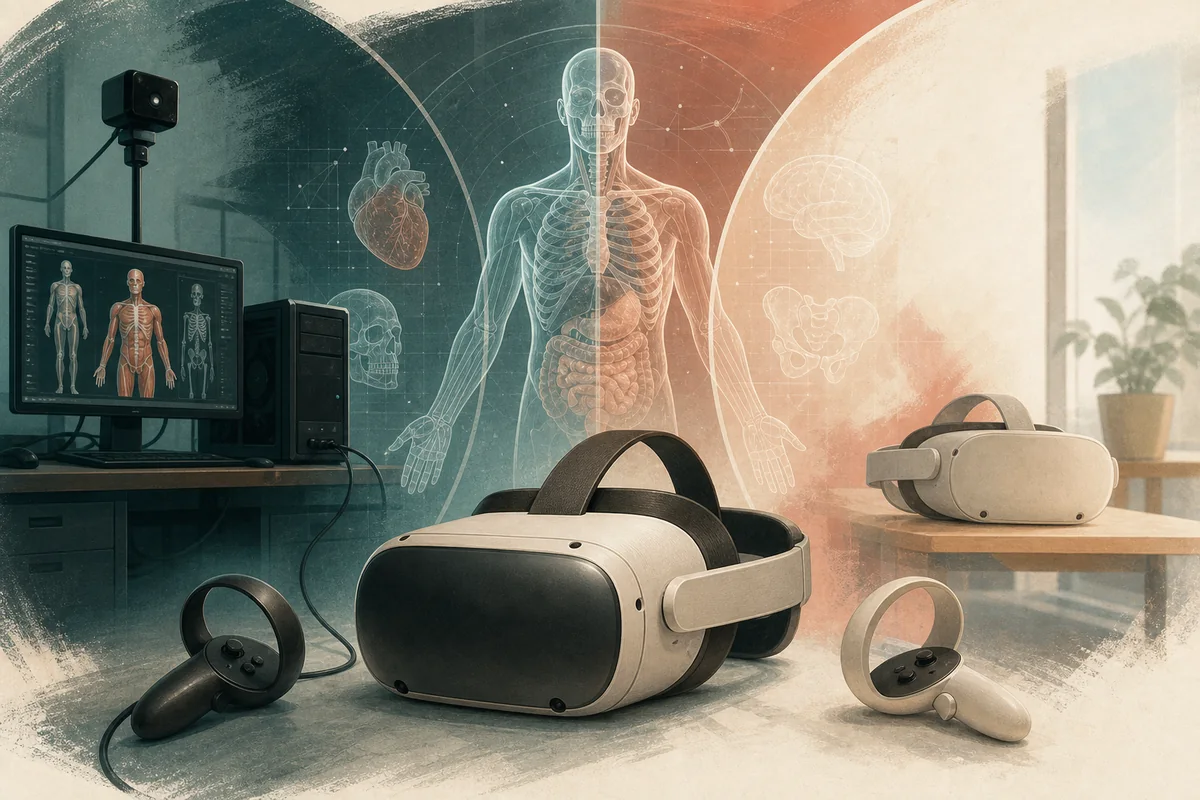 Navigating Virtual Reality: Comparing HTC VIVE, Meta Quest 2, Quest 3 and Quest Pro
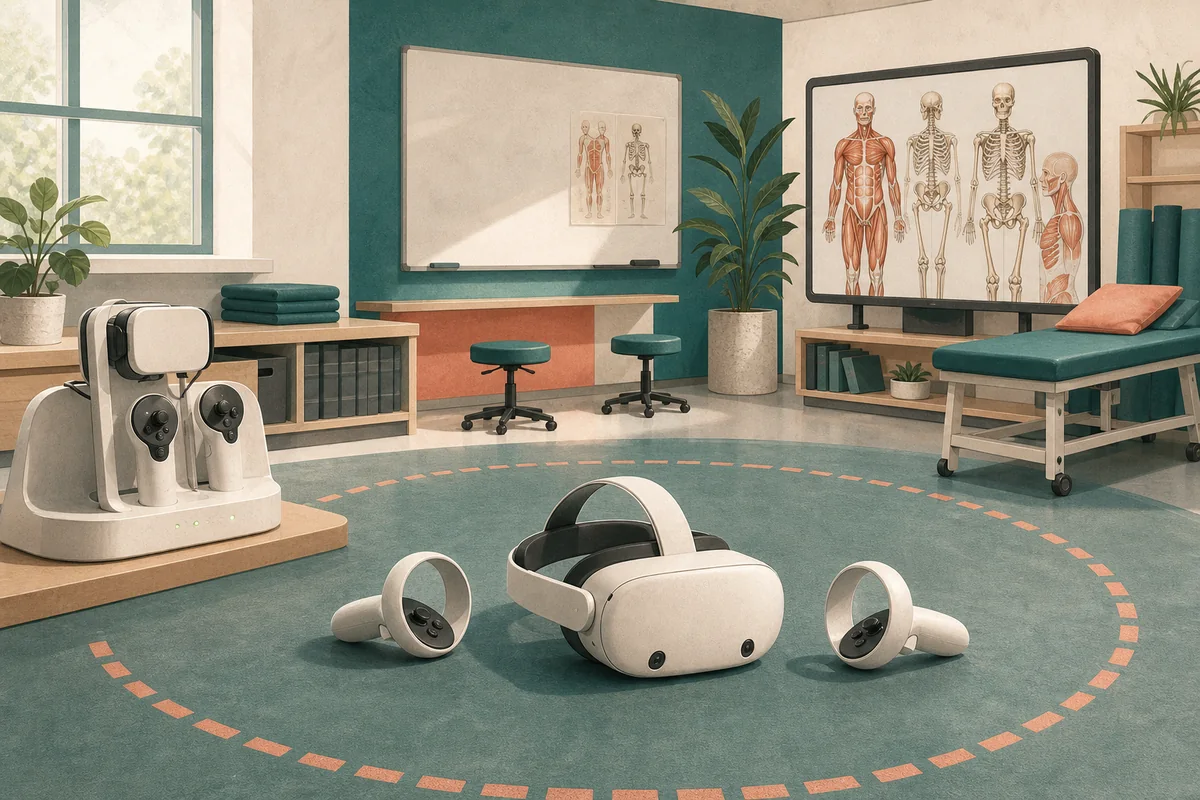 Embracing Wireless VR: A Guide to Setting Up a Meta VR Headset
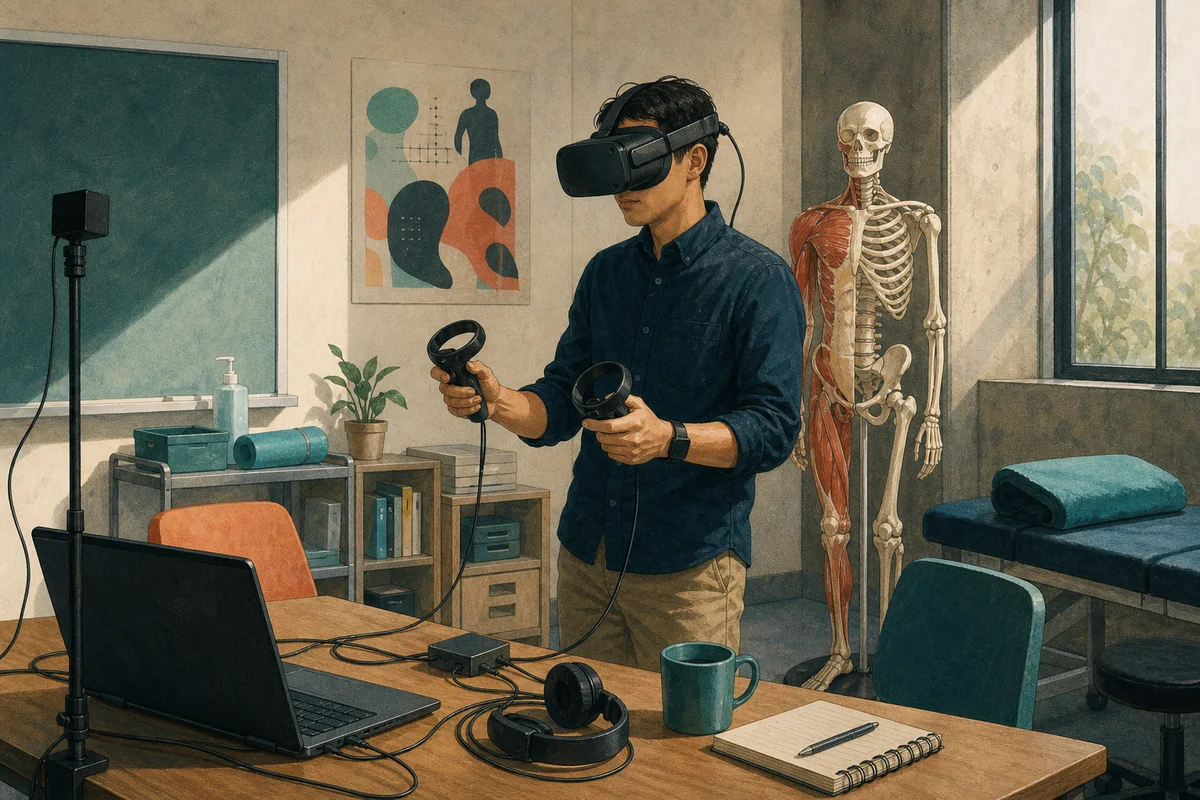 Setting Up VR: Reflections on the Experience
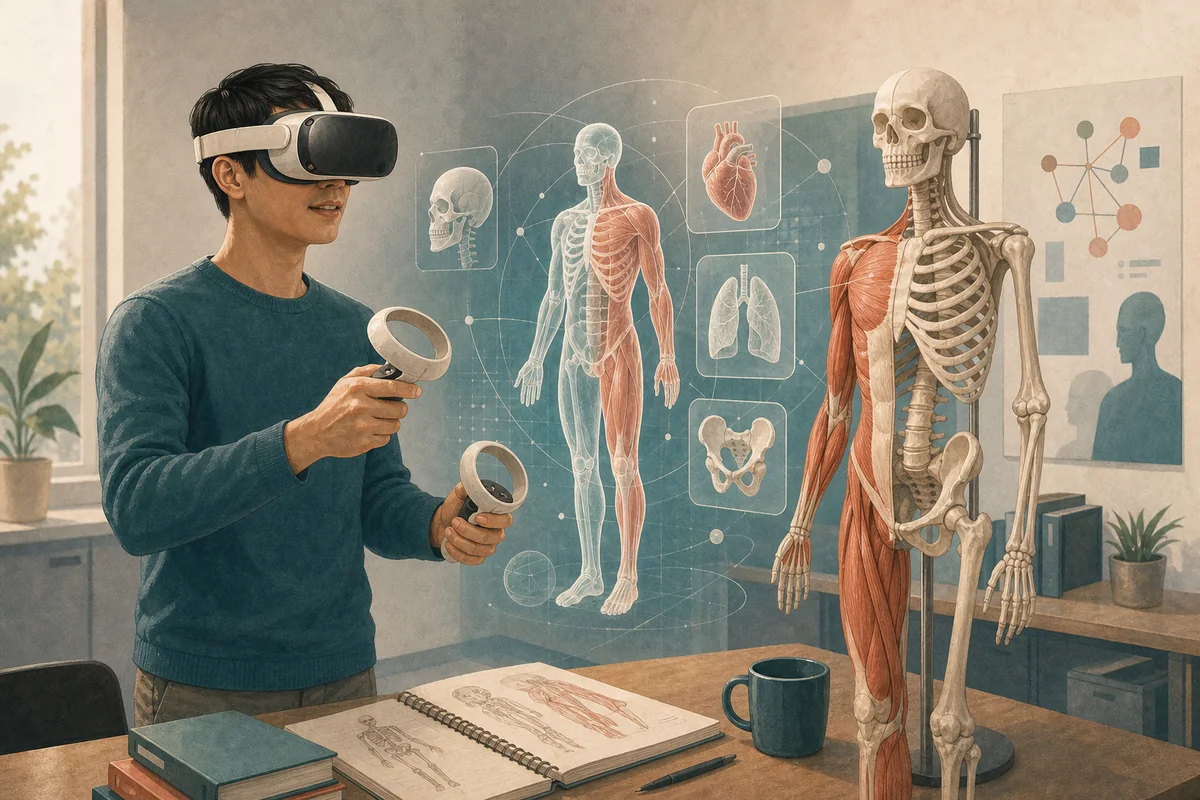 Exploring 3D Organon in Virtual Reality
 What Do You Need to Succeed?
AI
24 articles
Posts on artificial intelligence, academic workflows, assessment, policy, and responsible educational use.
If AI Can Do It for Us, What Do Students Still Need to Learn?
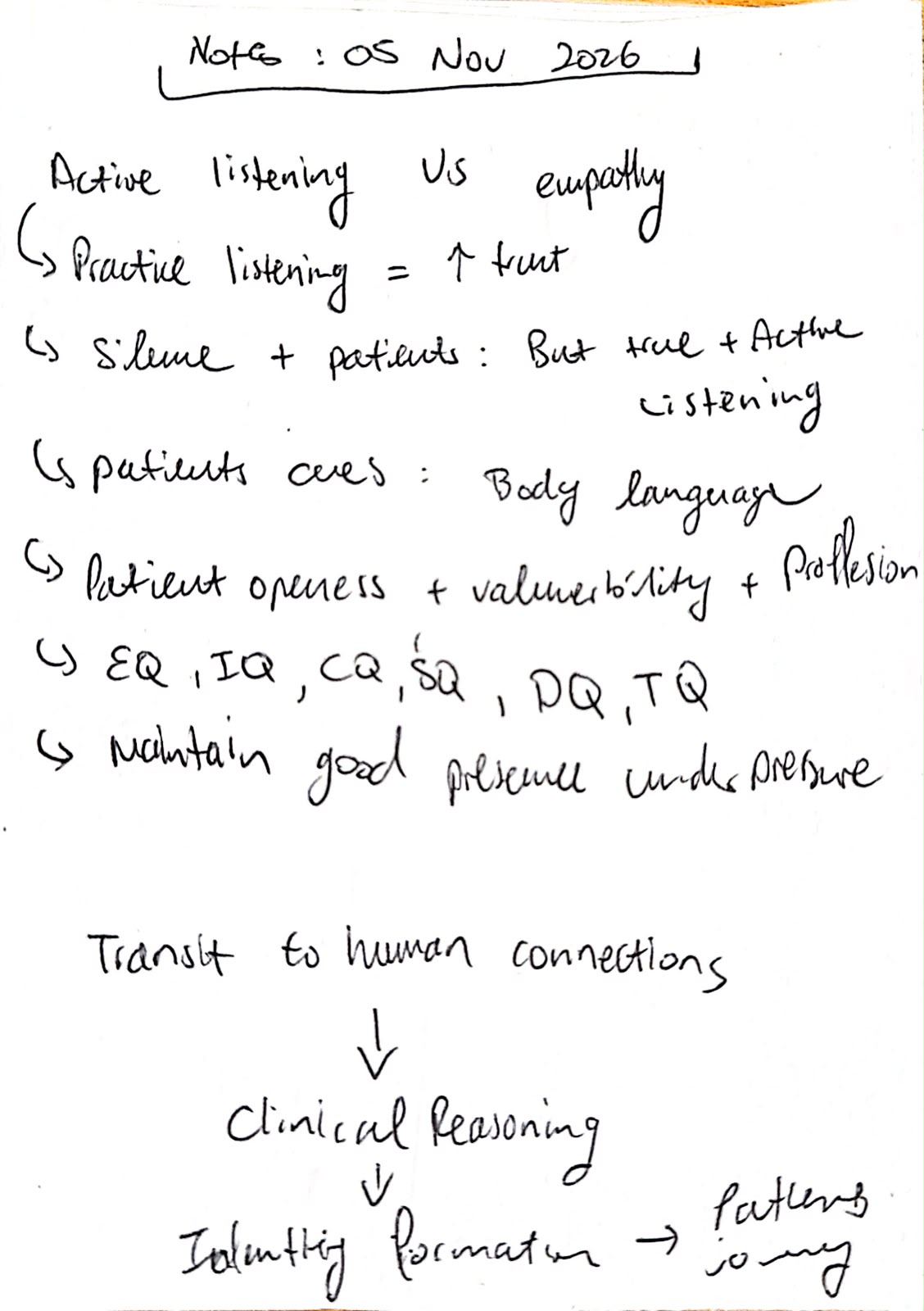 The AI Learning Paradox: Why I Still Write Things Down
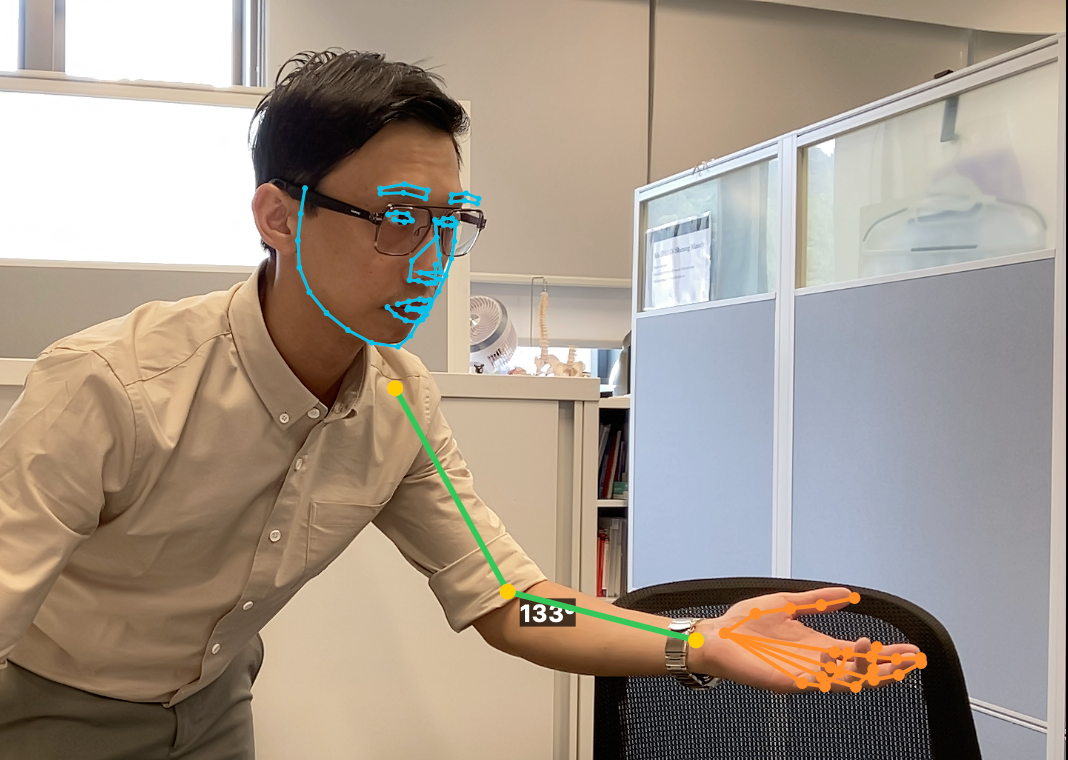 I Built an AI Tracking Prototype. I Have No IT Background.
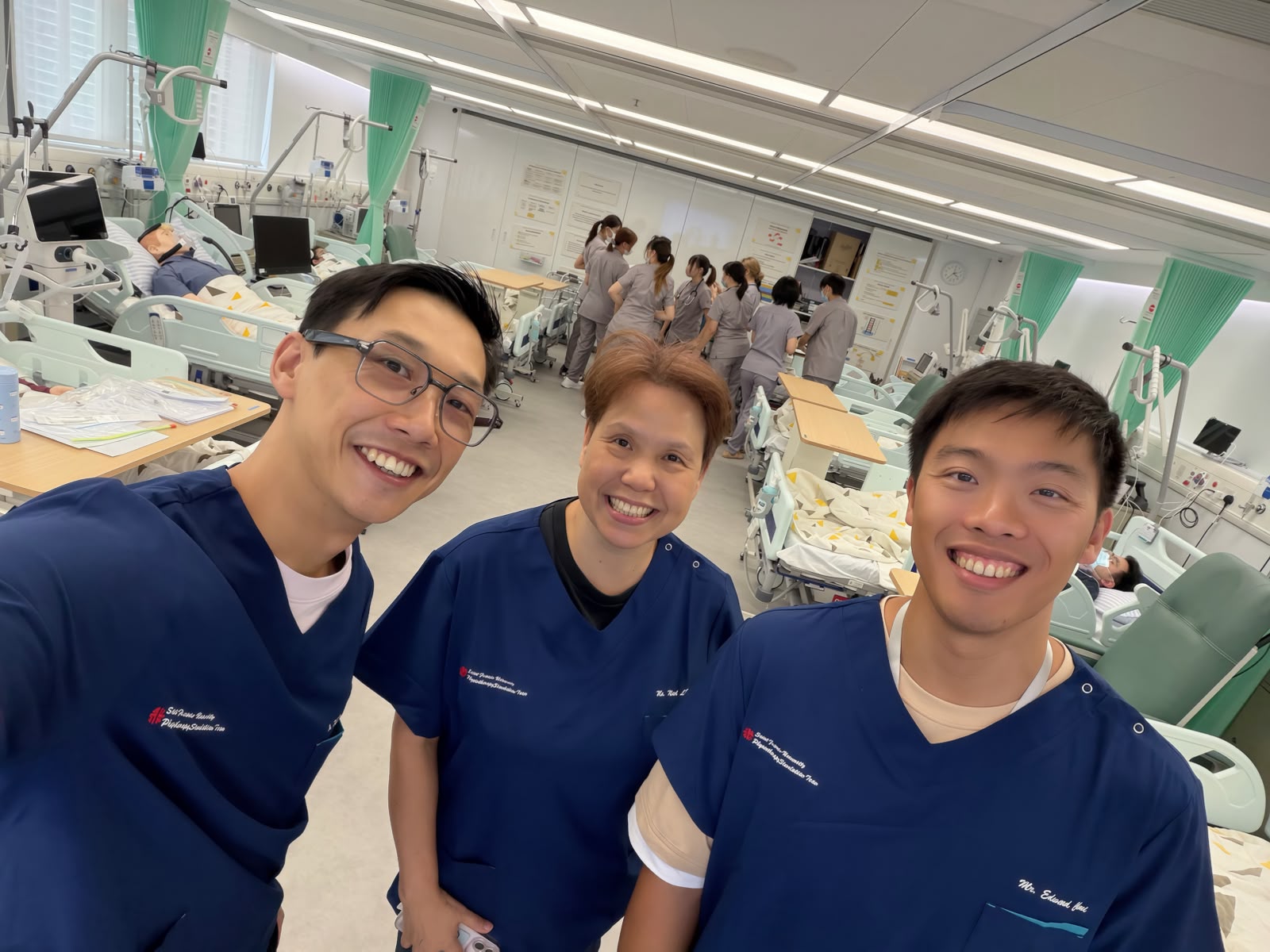 After the Debrief: Using AI to Keep Simulation Learning Alive
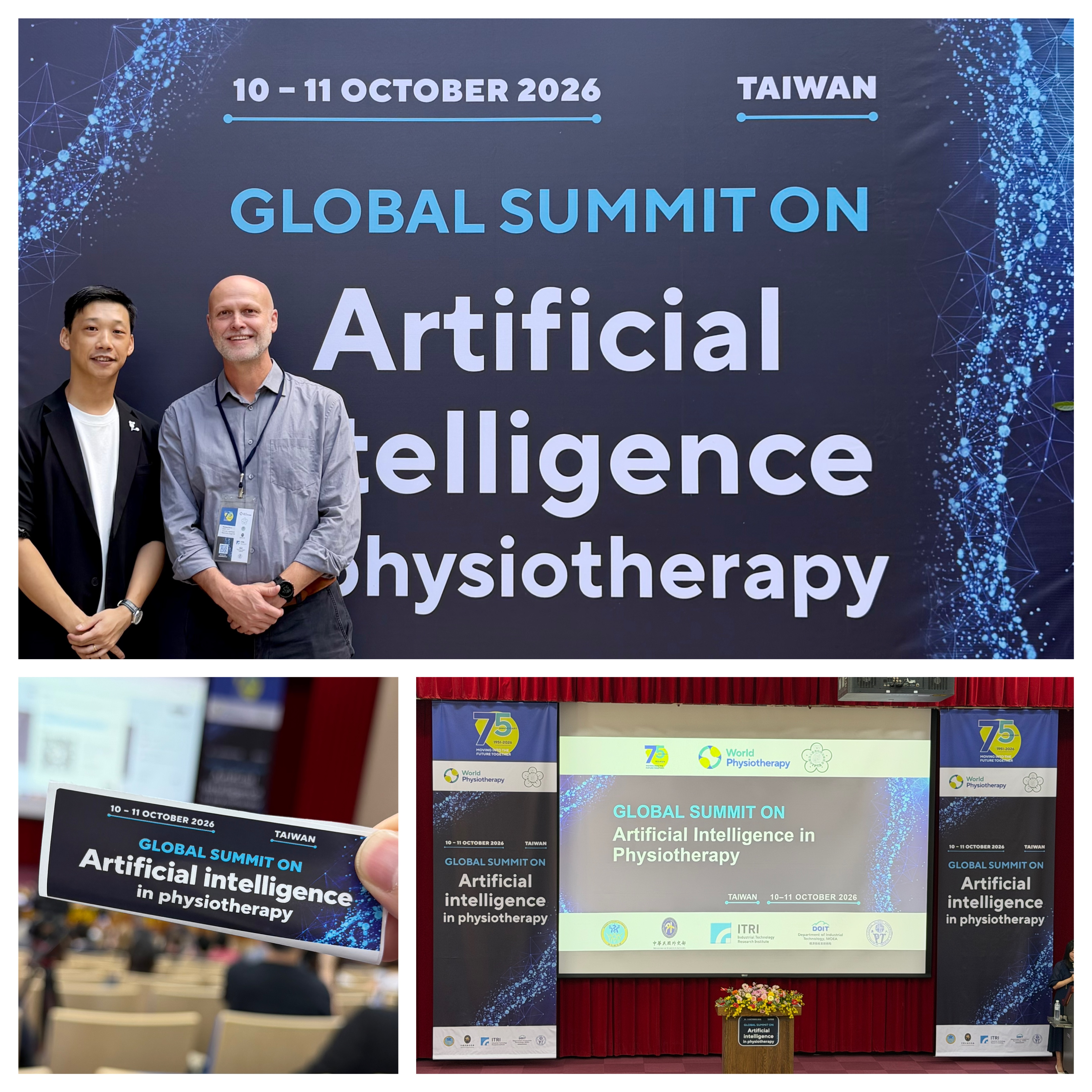 From AI Principles to Everyday Physiotherapy: Reflections from Taipei
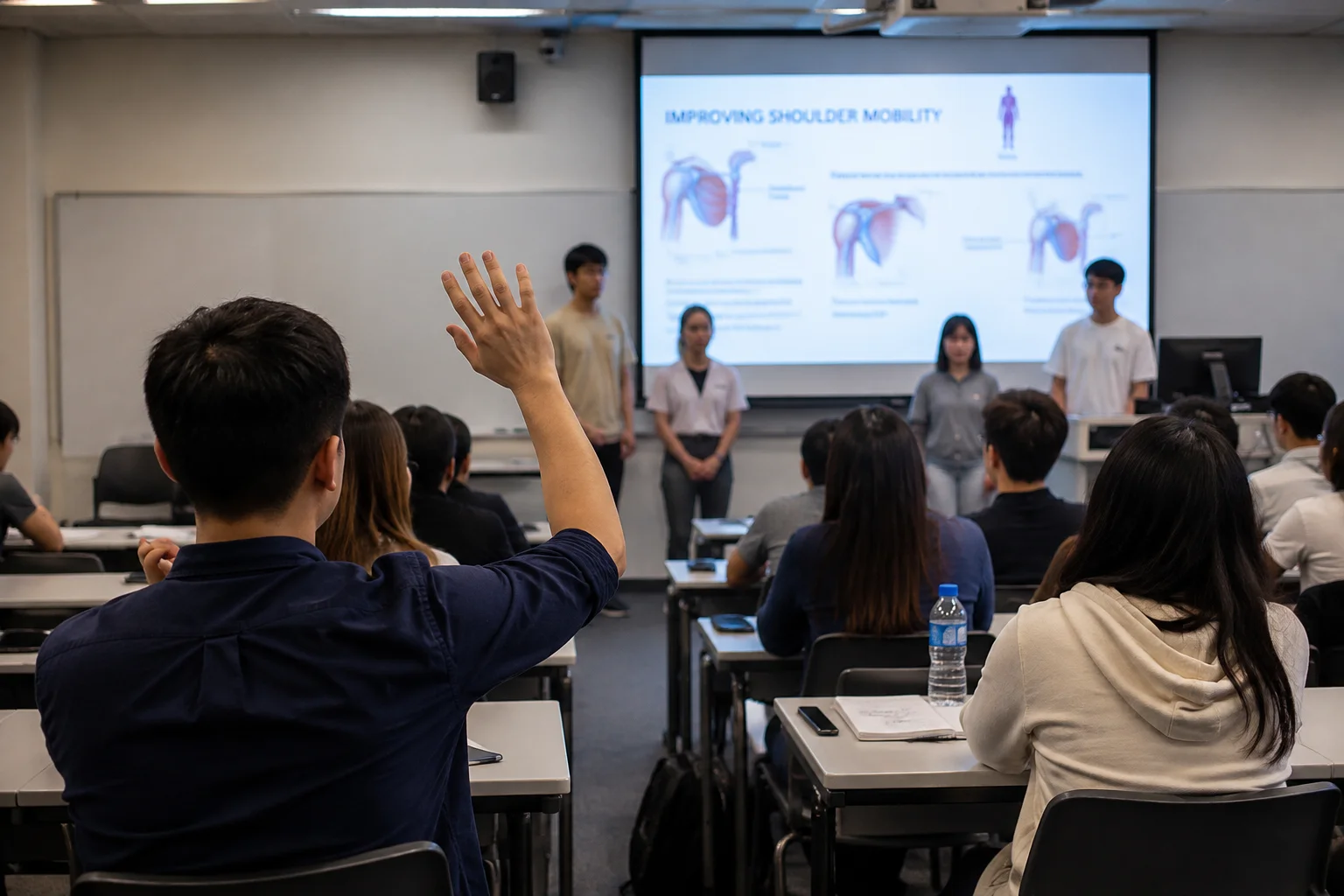 Why I Allowed AI but Added a Randomised Group Viva in Movement Science
 Enough About Catching AI: A Practical Guide to Using It for Learning
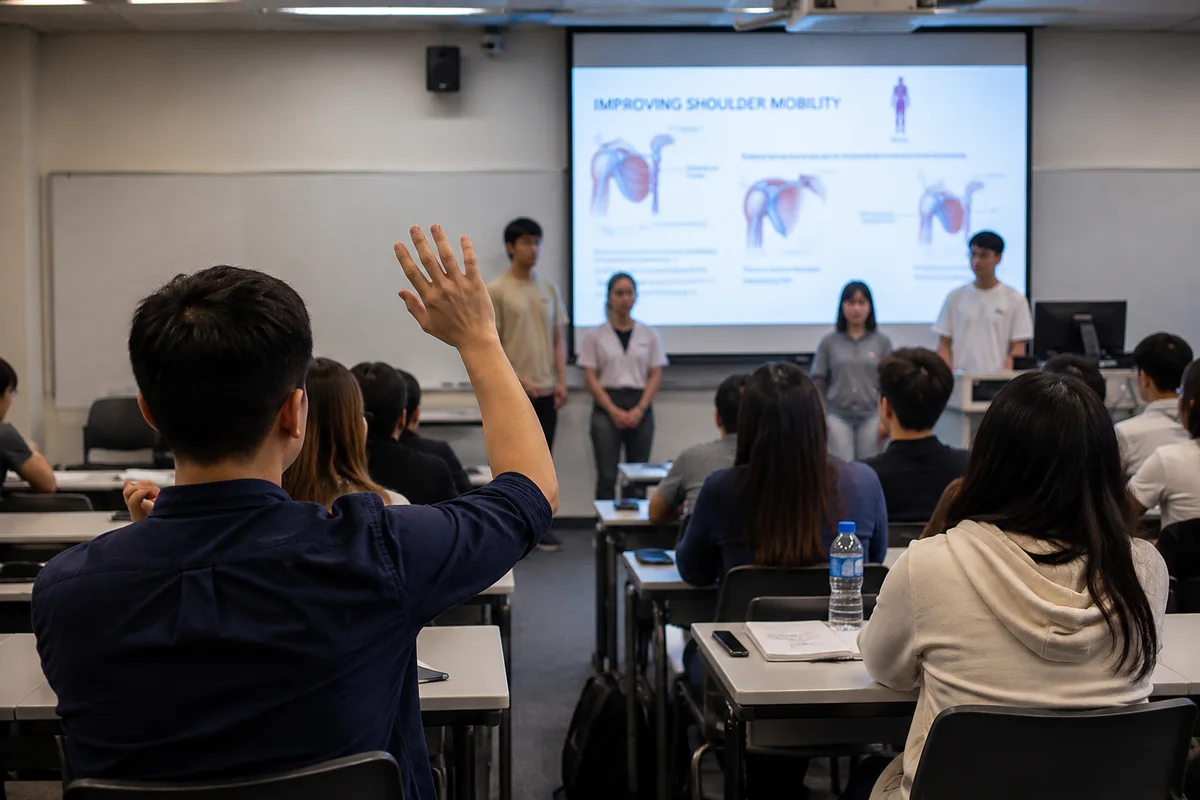 Should We Assess Students With AI — or Without It?
 When AI Can Read but Cannot Act: Why a Limitation May Be a Safeguard
 AI Integration Needs a Theory of Learning
 Should I Use AI for This? From Personal Choice to Health CARE‑AI
 The Next AI Problem Is AI Authenticity Fatigue
 Lecturers Need AI Literacy, Not a Computer Science Degree
 Do Not Start with AI: Start with the Curriculum
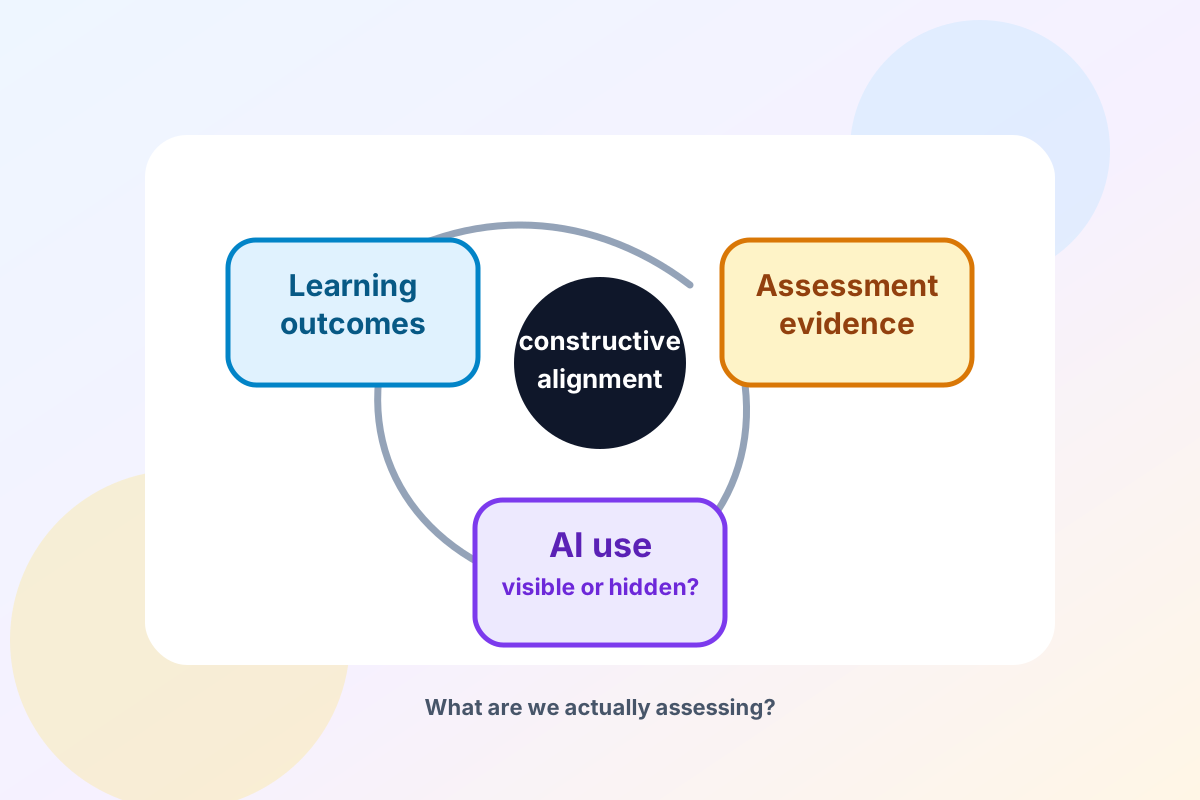 When Assessment Invites AI but Does Not Assess AI
 Do Not Ask AI for the Answer First
 Using ChatGPT Is Not the Same as AI Literacy
 AI Can Draft Exam Questions, But It Cannot Validate Them
 When AI Makes Academia Faster, Who Gets the Time Back?
 AI Policy Is Not Enough: Students Also Need Help Resisting the Pressure to Misuse AI
 AI Should Be a Thinking Partner, Not a Clinical Shortcut
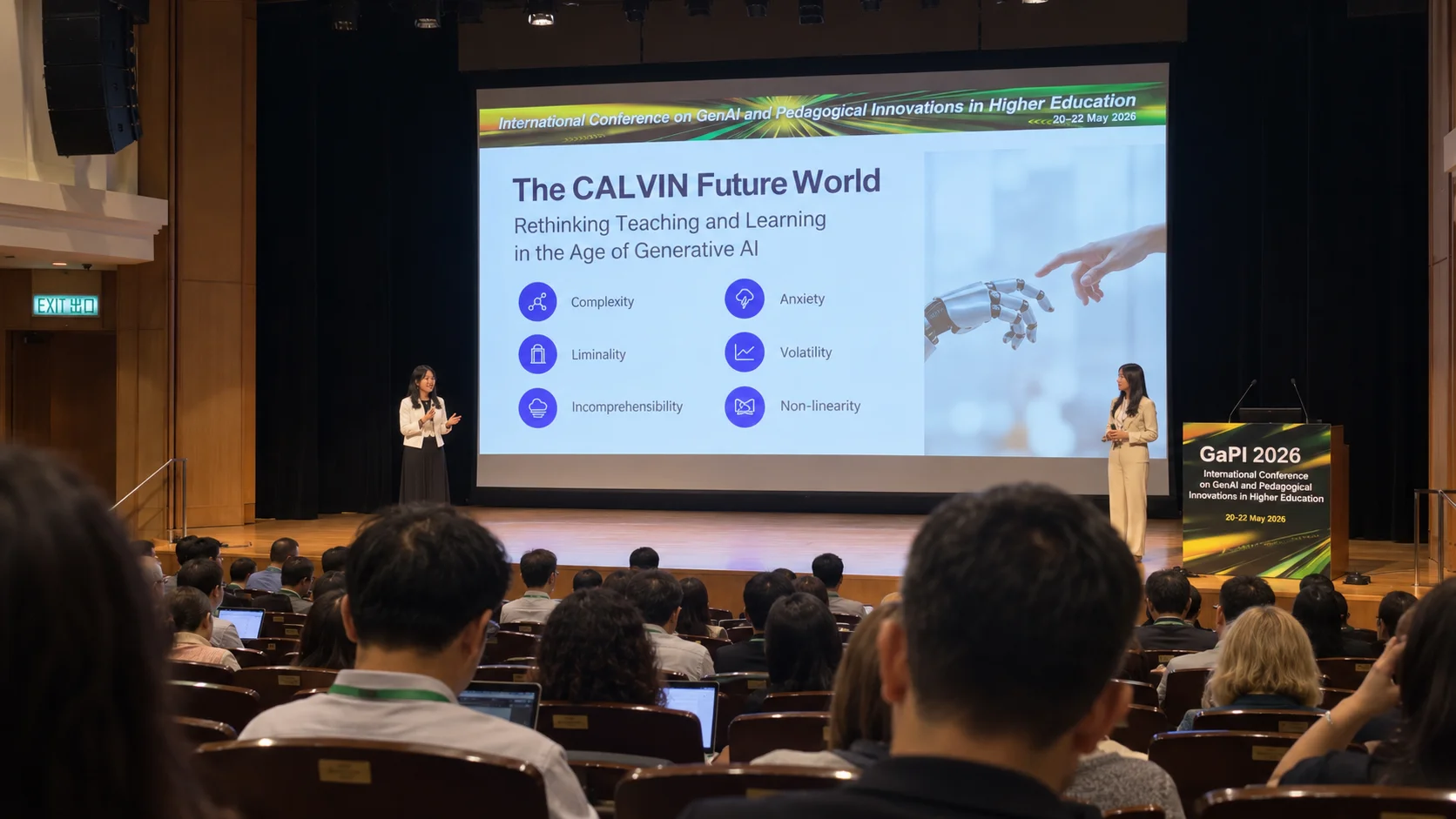 Thinking with AI, Not Just About AI
 Beyond the Chatbot: Using OpenClaw to Reclaim My Academic Life
 Reflections on a Teaching and Learning Conference
Reflection
9 articles
Posts on professional reflection, academic milestones, teaching practice, and wider university life.
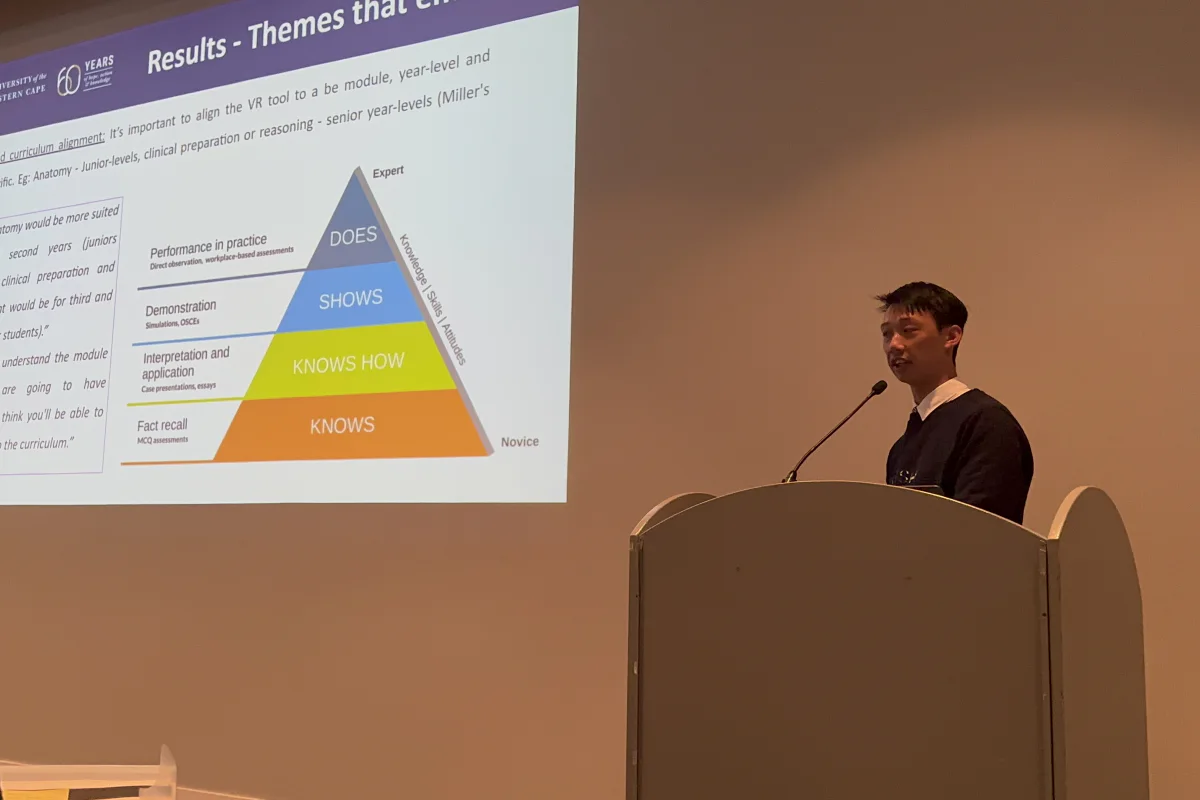 When Teaching Becomes Boring: Do Educators Need Novelty Too?
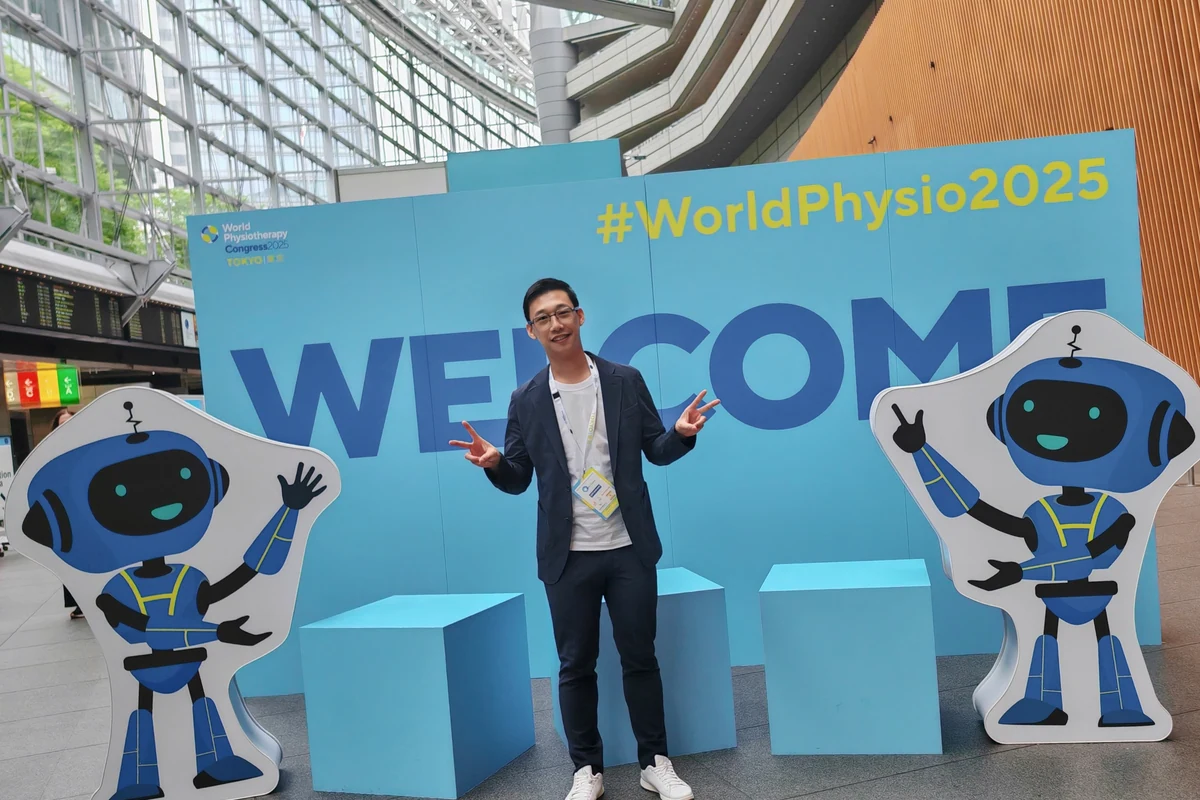 A Conference Should Change What Happens on Monday
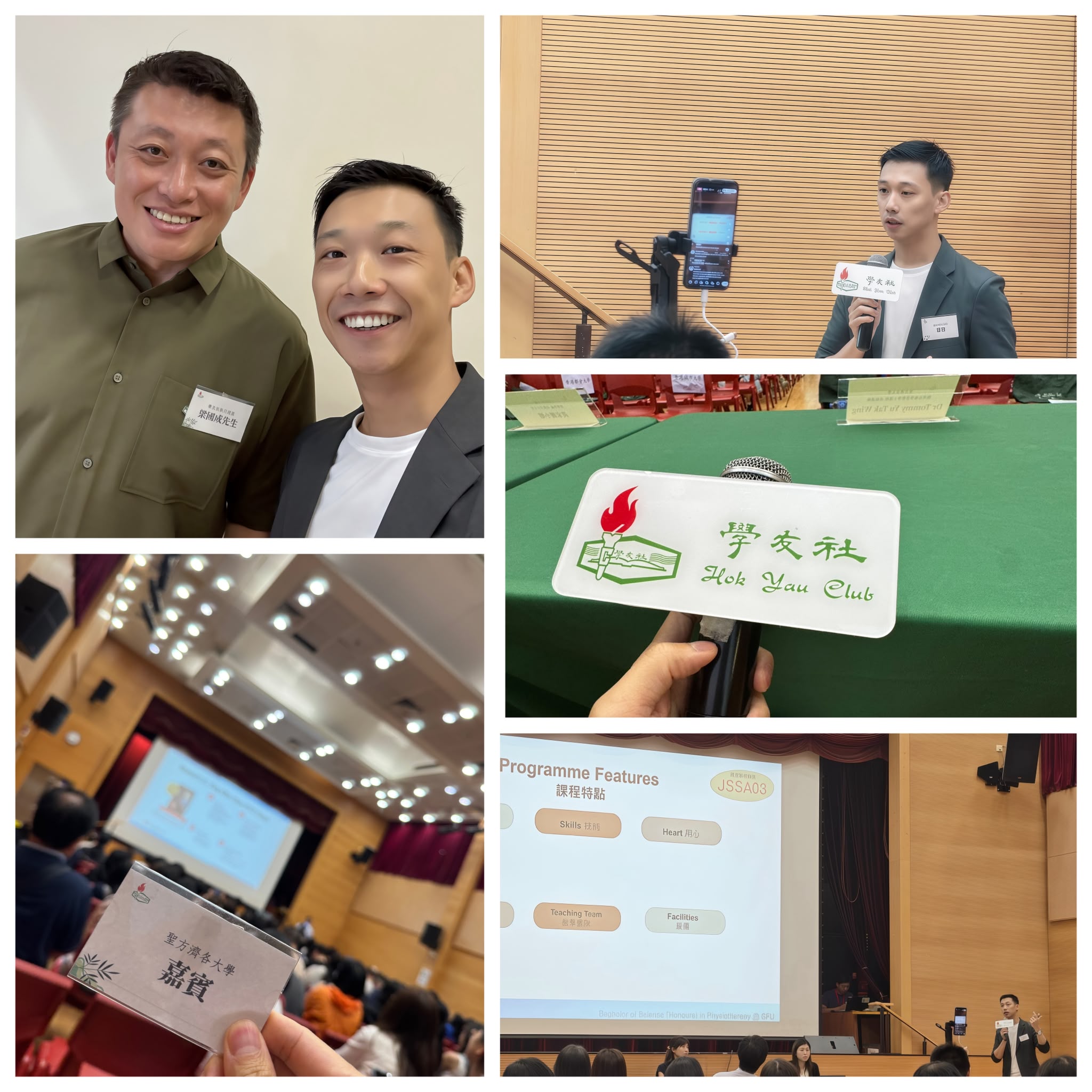 Waiting for Results: Reflections on Speaking to Hong Kong’s Future Physiotherapy Students
 Beyond IQ: What Quotients Do Students Need in the AI Era?
 Two Years in Hong Kong: Reflecting on Teaching, Innovation, and Receiving a Teaching Excellence Award
 Productive Struggle in the Age of AI
 A Tale of Two Graduations: From South Africa to Hong Kong
 The Weight of Decision: My Experience as a University Admissions Interviewer
 The Road to a PhD
Complete chronological archive · 54 articles
- If AI Can Do It for Us, What Do Students Still Need to Learn?
- Inside a Cell: Teaching Human Physiology with VR
- Beyond IQ: What Actor Training Taught Me About Emotional Intelligence and Clinical Readiness
- The AI Learning Paradox: Why I Still Write Things Down
- I Built an AI Tracking Prototype. I Have No IT Background.
- After the Debrief: Using AI to Keep Simulation Learning Alive
- From AI Principles to Everyday Physiotherapy: Reflections from Taipei
- Why I Allowed AI but Added a Randomised Group Viva in Movement Science
- Enough About Catching AI: A Practical Guide to Using It for Learning
- Can You Hear the Song? The Curse of Knowledge in Teaching
- When Teaching Becomes Boring: Do Educators Need Novelty Too?
- Should We Assess Students With AI — or Without It?
- A Conference Should Change What Happens on Monday
- What a Guest Lecturer Adds That a Slide Cannot
- What Group Work Makes Visible Before Assessment
- Beyond a Score: What Content-Mastery Quizzes Make Visible
- A Simulation Room Is Only the Beginning
- A VR Demonstration Is Not Yet a Learning Experience
- Why Universities Are Attracted to VR, and Why Novelty Is Not Enough
- The Clinical Education Triangle: Students, Clinical Educators and Visiting Lecturers
- Practising What We Teach: Staying Connected to Clinical Practice
- Beyond the Right Answer: Why We Should Ask Students to Explain
- When AI Can Read but Cannot Act: Why a Limitation May Be a Safeguard
- AI Integration Needs a Theory of Learning
- Should I Use AI for This? From Personal Choice to Health CARE‑AI
- The Next AI Problem Is AI Authenticity Fatigue
- From Classroom to Clinic: What Is Healthcare's Equivalent of TRAIN?
- The Clinician Is Not the Only Learner: What Role Rotation Might Add to Simulation
- Lecturers Need AI Literacy, Not a Computer Science Degree
- Do Not Start with AI: Start with the Curriculum
- Waiting for Results: Reflections on Speaking to Hong Kong’s Future Physiotherapy Students
- When Assessment Invites AI but Does Not Assess AI
- Beyond IQ: What Quotients Do Students Need in the AI Era?
- Do Not Ask AI for the Answer First
- Using ChatGPT Is Not the Same as AI Literacy
- AI Can Draft Exam Questions, But It Cannot Validate Them
- Two Years in Hong Kong: Reflecting on Teaching, Innovation, and Receiving a Teaching Excellence Award
- When AI Makes Academia Faster, Who Gets the Time Back?
- Productive Struggle in the Age of AI
- AI Policy Is Not Enough: Students Also Need Help Resisting the Pressure to Misuse AI
- AI Should Be a Thinking Partner, Not a Clinical Shortcut
- Thinking with AI, Not Just About AI
- Beyond the Chatbot: Using OpenClaw to Reclaim My Academic Life
- Reflections on a Teaching and Learning Conference
- A Tale of Two Graduations: From South Africa to Hong Kong
- The Weight of Decision: My Experience as a University Admissions Interviewer
- Supporting Students with Special Educational Needs: A Guide for Lecturers
- Responding to Student Mental Health Crises During Examinations
- Navigating Virtual Reality: Comparing HTC VIVE, Meta Quest 2, Quest 3 and Quest Pro
- Embracing Wireless VR: A Guide to Setting Up a Meta VR Headset
- Setting Up VR: Reflections on the Experience
- Exploring 3D Organon in Virtual Reality
- What Do You Need to Succeed?
- The Road to a PhD