Teaching a clinical technique is different from describing one. It asks the educator to understand the equipment, the sequence, the safety considerations and the experience of the person receiving the intervention.
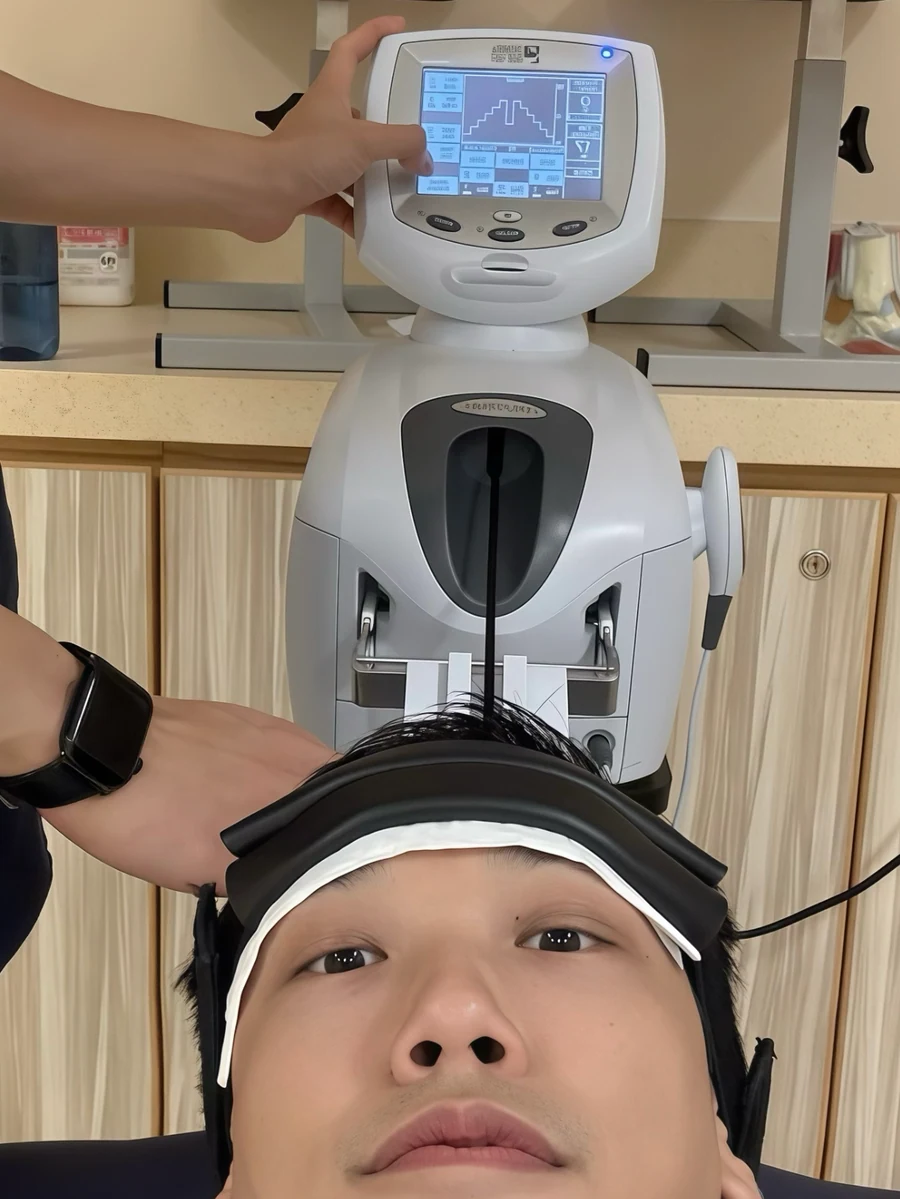
Recently, I had the opportunity to experience a cervical traction setup from the other side of the treatment table. It was a small moment, but it reminded me why remaining clinically curious matters when teaching future physiotherapists.
This is a reflection on educator learning, not a recommendation for traction or guidance on its clinical use.
Moving from instructor to participant
It is easy to focus on what the operator must do: prepare the equipment, position the person, explain the procedure and monitor what happens. Experiencing the setup shifts attention towards a different set of questions.
What does the head support feel like? Which parts of the explanation reduce uncertainty? When does a position feel secure rather than merely technically correct? What might make a person hesitate to speak up?
These are not details that replace clinical knowledge. They are part of translating that knowledge into a safe, understandable and person-centred encounter.
Equipment knowledge is not enough
A student can remember the controls of a device and still struggle to use it well with a real person. Equipment-based practice also requires communication, consent, observation, adaptation and the confidence to pause when something does not appear right.
Experiencing the equipment myself gave me a more concrete basis for discussing those human elements. It also reminded me that demonstrations should not become a sequence of button presses detached from clinical reasoning.
Clinical credibility requires continued learning
Educators do not maintain credibility by pretending to know everything. We maintain it by continuing to ask questions, revisiting practical skills, learning from colleagues and being honest about the limits of our experience.
Clinical technology changes. Placement expectations change. Students ask questions that expose aspects of practice we may not have considered recently. Staying connected to practice helps teaching remain responsive rather than becoming a polished description of yesterday's work.
Teaching integrity is alignment
For me, teaching integrity means trying to align what I ask students to do with what I am prepared to examine in my own practice. If I expect students to explain a procedure clearly, attend to comfort, justify a choice and respond to feedback, I should continue testing those expectations against genuine clinical experiences.
That does not mean every lecturer must perform every technique routinely. It means staying close enough to practice to teach with humility, specificity and respect for the complexity students will encounter.
What I will carry into teaching
- ask students what the intervention may feel like, not only how it is operated;
- make communication and checking part of the demonstrated skill;
- connect equipment decisions to clinical reasoning rather than memorised settings;
- invite students to identify uncertainty and conditions that would change their approach; and
- keep learning from clinicians, colleagues and the experience of being on the treatment table.
Sometimes maintaining teaching integrity begins with a simple decision: take the learner's position, experience the setup and notice what becomes visible from there.