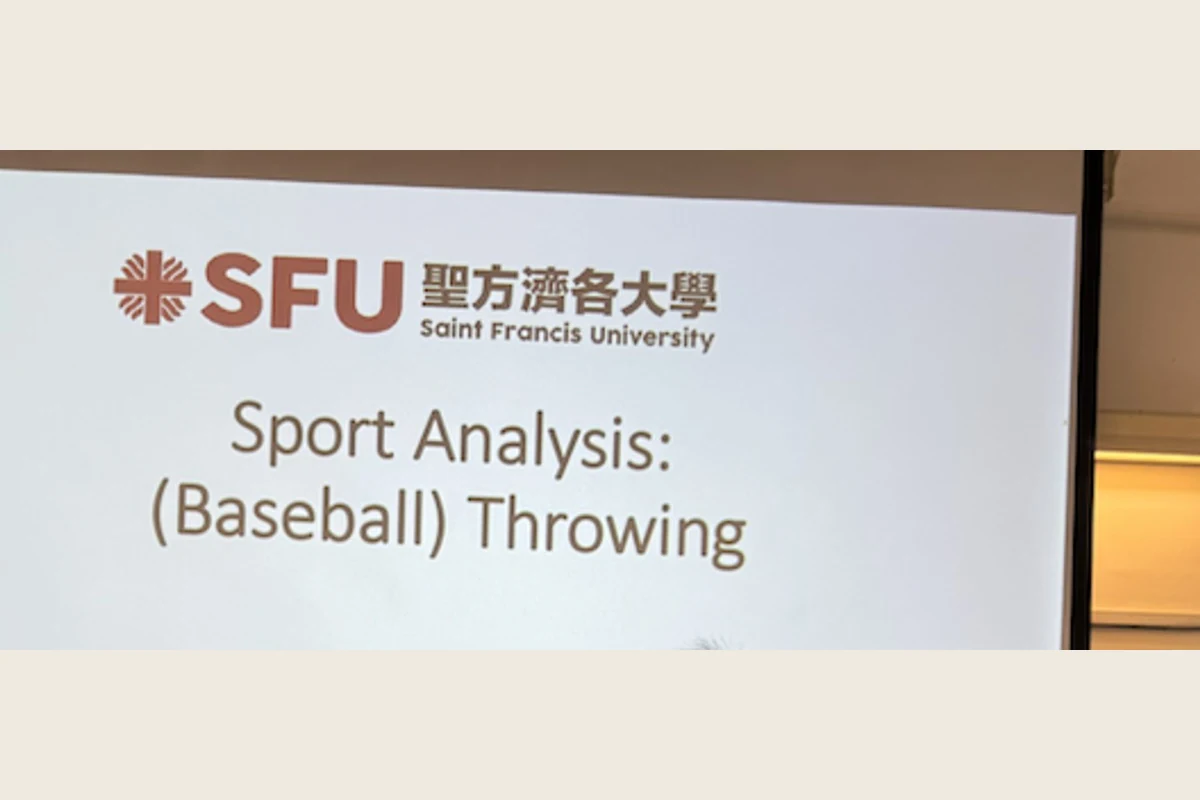
A guest lecturer can bring a subject to life in a way that a prepared slide alone cannot. In a Movement Science session on sport analysis and baseball throwing, the value was not simply that another person delivered content. It was the opportunity to connect disciplinary knowledge with a particular practice, perspective and way of seeing movement.
Yet inviting an expert is not, by itself, a teaching strategy. The session becomes educational when it is designed as part of the curriculum rather than treated as an interesting interruption to it.
Expertise becomes useful through connection
Guest lecturers may notice details that students and educators overlook because their knowledge has developed through a different professional route. They can show how concepts are used, where textbook simplifications become inadequate and which questions matter in authentic practice.
For students, this can make a familiar topic newly visible. Throwing is not only a sequence of joint movements. It can be examined through timing, force transfer, coordination, technique, performance and injury risk. The guest perspective helps connect these elements without pretending that one session can cover the entire field.
The host lecturer still has a design role
A guest session should not outsource responsibility for learning. The host lecturer needs to clarify the intended outcomes, brief the guest on what students already know and explain how the contribution connects with the rest of the module.
Students also benefit from preparation. A short case, observation task or question before the session gives them something to look for. Without that structure, an engaging talk may remain memorable but disconnected from later learning.
Make the encounter active
The richest guest sessions allow students to do more than listen. They might analyse a movement, compare two performances, predict how a change in technique affects another part of the kinetic chain, or explain what evidence they would need before making a recommendation.
The guest can then respond to student reasoning rather than only deliver prepared material. This creates an exchange between expertise and emerging understanding, which is difficult to reproduce through a recorded lecture alone.
Designing a guest session into the curriculum
- Define the learning need that the guest contribution should address.
- Share the students' prior learning and the language already used in the module.
- Give students a focused observation, analysis or questioning task.
- Protect time for dialogue rather than filling the session with presentation slides.
- Debrief afterwards and connect the ideas to assessment and future practice.
- Ask what students can now explain or analyse that they could not do before.
More than a special event
A guest lecturer adds most value when the contribution changes how students interpret the subject, not merely who is standing at the front of the room. The outside perspective can extend the curriculum, but integration turns that perspective into learning.
The slide introduces the topic. The educational work lies in the questions, examples, practice and follow-up built around it.