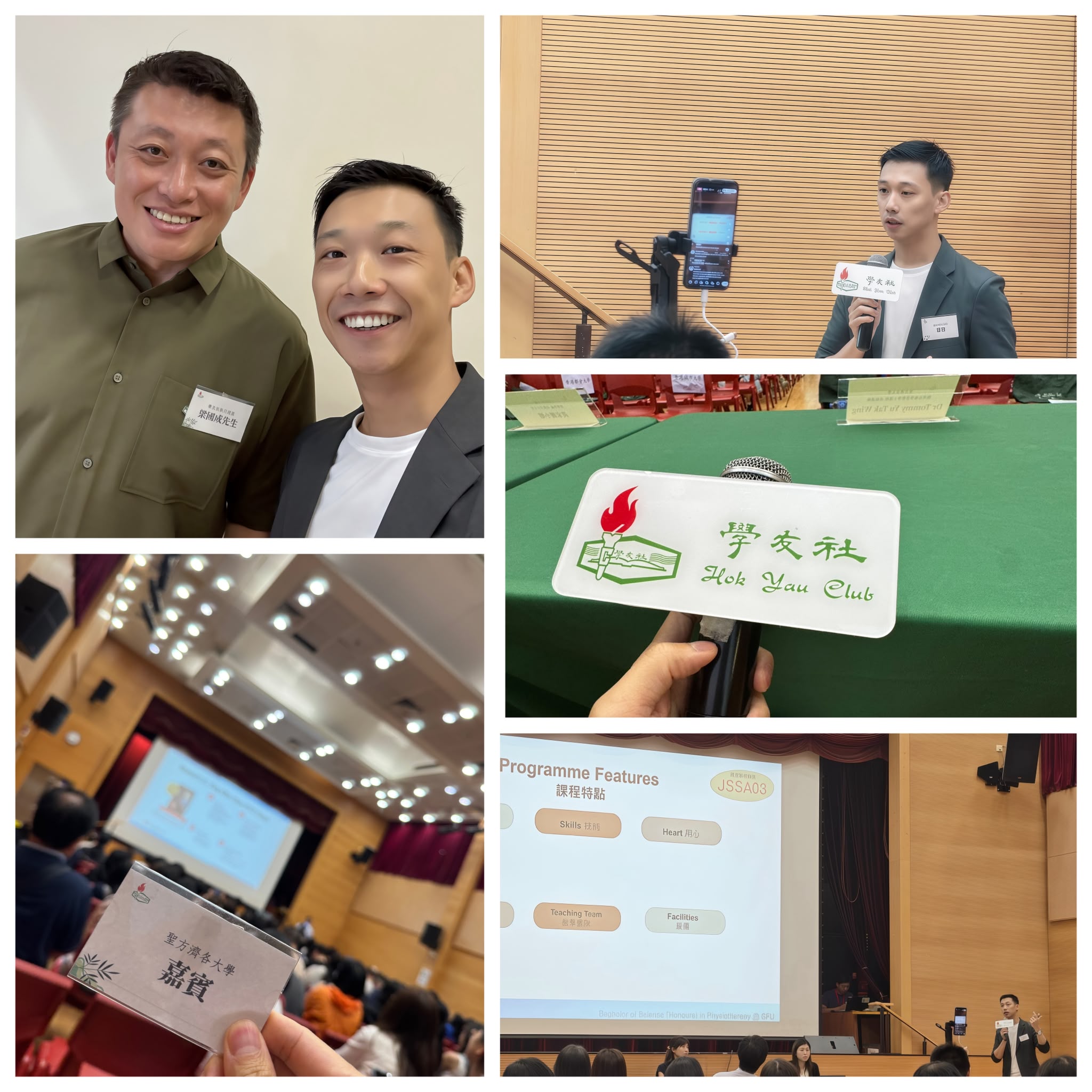
Ahead of the release of this year’s Hong Kong Diploma of Secondary Education results, I had the opportunity to represent Saint Francis University and the School of Health Sciences at an information session for students and parents considering their next step.
Events like this can look straightforward from the outside. They are often framed as admissions outreach, programme information, or a chance to explain entry requirements. But standing in front of students who are waiting for results, I was reminded that these moments are also about uncertainty, identity, and what higher education means to families who are trying to imagine the future.
Different systems, familiar emotions
Growing up in South Africa, I remember the anticipation surrounding the release of the National Senior Certificate results. For many learners, those results shape access to university places, scholarships, and career pathways. The atmosphere surrounding the HKDSE feels different in structure, but very similar in emotion.
Students and families invest years of work into a small number of decisive examinations. Long before results are released, conversations are already filled with predicted grades, possible offers, contingency plans, and questions about what happens next. The details of the system may differ, but the waiting feels universal.
What stands out in Hong Kong
One thing that stands out in Hong Kong is how concentrated the competition can be, especially for sought-after professional programmes such as physiotherapy, medicine, nursing, and pharmacy. In a compact higher education system, a small number of places can carry enormous symbolic and practical weight.
At the same time, Hong Kong also offers significant forms of educational support through scholarships, merit awards, and other funding opportunities. This creates a landscape in which aspiration, competition, and opportunity sit very close together.
Speaking about physiotherapy
During the session, I introduced our Bachelor of Science (Honours) in Physiotherapy programme at Saint Francis University, including the structure of the curriculum, student expectations, and the professional pathways that may follow graduation.
What matters to me in these conversations is not only explaining admission requirements. It is also helping prospective students understand what the profession actually asks of them. Physiotherapy is not simply a matter of earning the required score and entering a programme. It requires curiosity, empathy, communication, resilience, and a sustained commitment to helping other people function well in everyday life.
More than grades
I hope students leave these events knowing that results matter, but they do not tell the whole story. Examination performance opens some doors and closes others, but it does not fully determine what kind of learner or professional a person can become.
University should deepen more than content knowledge. It should help students learn to think critically, communicate responsibly, work with uncertainty, and keep learning throughout professional life. Those qualities matter even more now, particularly as technologies such as artificial intelligence continue to reshape both higher education and healthcare.
Why outreach still matters
Speaking with prospective students and their families reminded me that outreach events are not only administrative exercises. They are opportunities to translate a profession into something human and meaningful. They also allow educators to hear what students are worried about, what they hope for, and what they imagine success to look like.
Whether these students eventually join us at Saint Francis University or continue their journey elsewhere, I hope they approach the next stage with curiosity, steadiness, and confidence. Results matter, but they are the beginning of a story rather than its conclusion.